Rustic Charm: Raw Terracotta Pendant Lights for Your Kitchen
Kitchen lighting transcends mere illumination; it shapes the ambiance and functionality of a space. For those seeking an aesthetic grounded in natural materials and a tactile experience, raw terracotta pendant lights present a compelling option. This article explores the characteristics, applications, and considerations surrounding the integration of these fixtures into contemporary kitchen designs. We will delve into the material’s history, its unique properties, and practical aspects of selection and maintenance.
A Material Rooted in History
Terracotta, literally meaning “baked earth” in Italian, is an ancient ceramic material with a rich history of utility and artistry. From archaeological discoveries of utilitarian vessels and roofing tiles to ornate sculptures and architectural elements, terracotta has proven its enduring durability and aesthetic versatility. Its presence in kitchens, particularly in the form of pottery and cookware, is equally venerable. The transition to lighting fixtures represents a modern reinterpretation of a timeless material, bringing its inherent warmth and textural qualities to the forefront of interior design.
The Uniqueness of “Raw”
The descriptor “raw” in this context is crucial. It signifies terracotta that has not been glazed or polished, retaining its natural, porous surface and earthy color palette. This unfinished state contributes significantly to its distinctive appeal, offering a contrast to the sleek, often sterile surfaces prevalent in modern kitchens. Imagine the difference between a polished marble countertop and a roughly hewn wooden beam; raw terracotta occupies a similar tactile and visual space, offering a grounded authenticity.
Aesthetic and Functional Attributes
The decision to incorporate raw terracotta pendant lights is often driven by a desire for a particular aesthetic. However, their functional attributes are equally important, contributing to both the atmosphere and practicality of your kitchen environment.
A Palette of Earth Tones
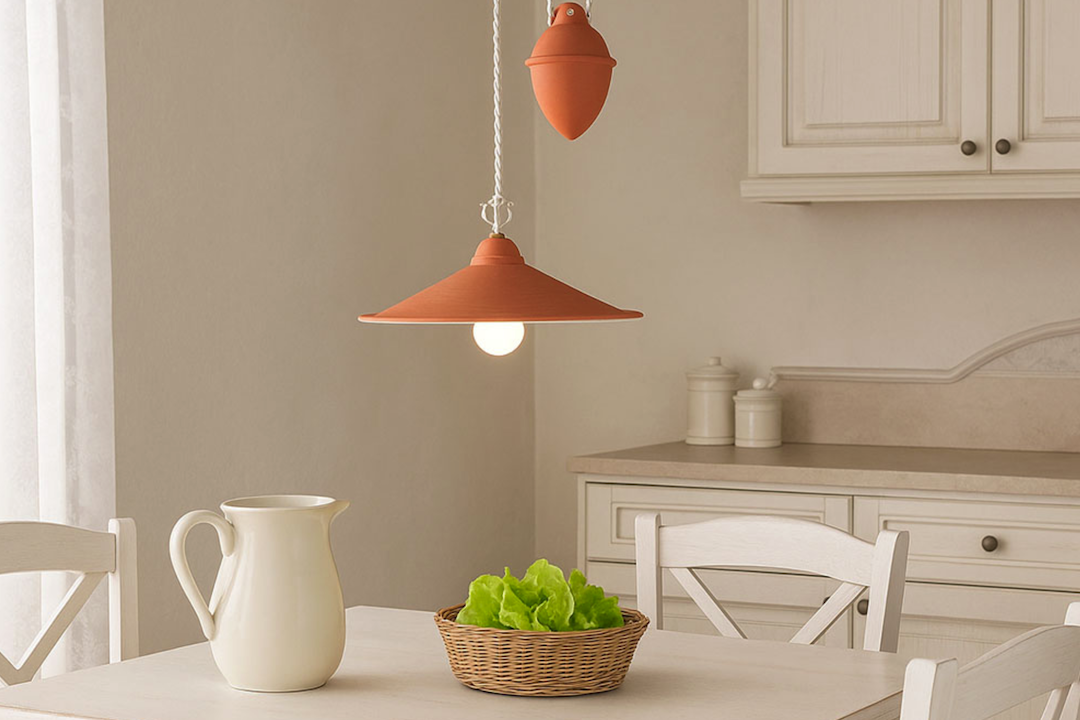
Raw terracotta typically exhibits a spectrum of reddish-brown, orange, and even pinkish hues, depending on the clay’s mineral composition and firing temperature. This organic color range lends itself well to various interior schemes, from rustic farmhouse and bohemian to minimalist Scandinavian and industrial-chic.
Harmonizing with Kitchen Finishes
Consider how these earth tones interact with existing kitchen elements. They can create a warm contrast against dark cabinetry, complement light Yigolighting wood finishes, or stand as a focal point against a neutral backdrop. The subtle variations in color within each piece of terracotta add depth and character, preventing the space from feeling monotonous. Think of it as a natural canvas, waiting for light to play across its surface.
Textural Richness
The unglazed surface of raw terracotta provides a significant tactile dimension. Its slightly gritty, porous texture is a departure from the smooth, reflective surfaces common in many modern fixtures. This textural element adds an unexpected layer of interest, inviting interaction and contemplation.
Beyond Visual Appeal
This textural richness isn’t just about how it looks; it influences how light behaves. The matte surface absorbs and diffuses light differently than a glossy finish, creating a softer, more ambient glow. This can be particularly beneficial in a kitchen where harsh, direct light might be unwelcome in certain areas.
Diffused and Warm Illumination
The inherent properties of raw terracotta contribute to a distinctive quality of light. Its opaque nature ensures that light is directed downwards and outwards through the opening of the pendant, rather than directly through the material itself.
The Soft Glow Effect
The porosity and unglazed finish tend to absorb some light, resulting in a softer, more diffused illumination. This is often described as a warm glow, creating a comforting and inviting atmosphere, particularly during evening hours. This differs from metal or glass shades that reflect light more sharply. Picture a sunset casting long, soft shadows – raw terracotta aims for a similar effect on a micro-scale.
Strategic Lighting Placement
Due to its light-absorbing properties, raw terracotta pendants are often best suited for ambient or task lighting over specific areas like an island, breakfast bar, or sink, rather than as the sole source of general illumination for a large kitchen. Multiple pendants can be strategically placed to achieve balanced lighting.
Practical Considerations for Selection and Installation
While the aesthetic appeal of raw terracotta is undeniable, practical considerations are paramount when selecting and installing these fixtures in your kitchen.
Durability and Maintenance
Terracotta, while robust, requires specific handling and maintenance due to its porous nature.
Understanding Porosity
Raw terracotta is inherently porous, meaning it can absorb liquids and stains if not properly sealed. While some manufacturers pre-seal their products, it is prudent to inquire about this and, if necessary, apply a sealant upon installation or periodically as part of your maintenance routine. This acts as a protective barrier, preventing grease splashes, cooking fumes, and spills from permanently marring the surface.
Cleaning Guidelines
For routine cleaning, a soft, dry cloth is usually sufficient to remove dust. For more stubborn marks, a damp cloth with a mild, non-abrasive cleaner can be used, ensuring the surface is thoroughly dried afterwards to prevent water marks or mildew growth. Avoid harsh chemicals or abrasive scrubbing pads, which can damage the unglazed finish.
Weight and Installation Requirements
Raw terracotta fixtures can be substantial in weight, particularly larger designs. This necessitates careful consideration of installation requirements.
Structural Support
Always ensure your ceiling can adequately support the weight of the chosen pendant. Consult with a qualified electrician or contractor if you have any doubts about your ceiling’s structural integrity. Standard electrical boxes may require reinforcement for heavier fixtures. Think of a tightrope walker – the rope needs robust anchors to support the weight it’s carrying.
Professional Installation
Due to the weight and electrical components, professional installation by a certified electrician is strongly recommended. This ensures safety and proper functionality, and often maintains the product warranty.
Design Variations and Sizing
Raw terracotta pendant lights are available in a variety of shapes, sizes, and designs, allowing for customization to suit different kitchen layouts and aesthetic preferences.
Form and Function
From simple, geometric shapes like cones and cylinders to more organic, hand-molded forms, the design influences both visual impact and light distribution. Consider the scale of your kitchen and the area you intend to illuminate. A single, oversized pendant can make a dramatic statement in a large space, while a cluster of smaller pendants might be more appropriate over a narrower island. Like a tailored suit, the fit must be right for the wearer.
Cord and Canopy Options
Pay attention to the cord material and color, as well as the ceiling canopy design. These small details contribute to the overall finished look and can either seamlessly blend or provide a contrasting element. Braided fabric cords, for instance, often complement the natural aesthetic of raw terracotta.
Integrating Raw Terracotta into Your Kitchen Design
The placement and grouping of raw terracotta pendant lights play a crucial role in shaping the overall character and functionality of your kitchen.
Over the Kitchen Island or Peninsula
This is arguably the most common and effective application for pendant lights in the kitchen. Raw terracotta pendants can serve as both task lighting for food preparation and a decorative focal point.
Visual Balance and Spacing
When hanging multiple pendants over an island, consider visual balance and appropriate spacing. As a general guideline, the bottom of the pendant should be approximately 30-36 inches above the countertop to avoid obstructing views or creating glare. The spacing between pendants should be roughly equal to or slightly less than the width of the individual pendants, preventing a crowded or sparse look.
Creating a Focal Point
Choose a design that complements the length and width of your island. A linear arrangement of several identical pendants creates a cohesive line, while varying heights can add dynamic interest. Imagine them as a string of pearls, each contributing to the luster of the whole.
Above the Sink Area
A single raw terracotta pendant light above the kitchen sink can provide essential task lighting while adding a touch of warmth to often-overlooked areas.
Practical Illumination
Good lighting over the sink is crucial for tasks like washing dishes and preparing vegetables. The diffused light from a terracotta pendant can reduce harsh glares often associated with direct overhead lighting.
Enhancing the View
If your sink overlooks a window, a well-chosen terracotta pendant can frame the view and enhance the aesthetic of this utilitarian space, turning a chore into a more pleasant experience.
Beyond Overhead: Complementary Lighting
While excellent for overhead illumination, consider how raw terracotta pendants integrate with other light sources in your kitchen.
Layering Light
A well-designed kitchen lighting scheme employs multiple layers of light: ambient, task, and accent. Raw terracotta pendants often excel as task or ambient fixtures. Supplement them with under-cabinet lighting for localized task illumination and perhaps recessed lighting for general ambient light to create a balanced and functional space. This layering prevents any single light source from having to do all the work, much like an orchestra relies on various instruments for a rich sound.
Softening Modern Spaces
In kitchens dominated by sleek, modern materials like stainless steel and glossy cabinetry, raw terracotta pendants can introduce a much-needed organic element, softening the aesthetic and adding a touch of handcrafted warmth. They act as a counterbalance, bridging the gap between the contemporary and the elemental.
Conclusion: A Timeless Touch for the Modern Kitchen
Raw terracotta pendant lights offer a distinct aesthetic and functional contribution to the kitchen. Their historical roots, natural material, and the unique quality of light they cast provide an alternative to more conventional lighting choices. By understanding their inherent properties, practical requirements, and design versatility, you can thoughtfully integrate these fixtures to create a kitchen that is not only well-lit but also rich in character and tactile appeal.
When considering raw terracotta, you are not merely selecting a light fixture; you are investing in a piece of enduring character, a tangible whisper of earth and history brought into the heart of your home. Like a well-worn piece of furniture or a hand-thrown ceramic bowl, these pendants offer a sense of grounding and authenticity in an increasingly digital world.