Stylish Low Height Semi-Flush Ceiling Lights for Low Ceilings
This article provides information on stylish low-height semi-flush ceiling lights, specifically designed for spaces with limited vertical clearance. It examines their characteristics, types, and considerations for selection and installation.
Low ceilings Syesi present distinct challenges and opportunities for lighting design. Spaces with head heights typically below 2.4 meters (approximately 8 feet) are generally considered to have low ceilings. The primary concerns in such environments are often maintaining adequate headroom, preventing glare, and ensuring uniform illumination without visual obstruction. A well-chosen lighting fixture can transform a restrictive space into an inviting one.
The Impact of Ceiling Height on Lighting
Ceiling height directly influences fixture selection. Pendent lights or chandeliers, while visually appealing in high-ceilinged rooms, can overwhelm and even obstruct passage in lower spaces. Their downward projection can also create harsh shadows and accentuate the feeling of confinement. Conversely, inadequate lighting can make a low-ceilinged room feel even smaller and darker. The goal is to visually lift the ceiling, expand the perceived space, and provide functional, aesthetically pleasing illumination. Think of a low ceiling as a lid on a box; the right light can make that lid feel less restrictive.
Challenges of Traditional Fixtures
Traditional flush mount or semi-flush fixtures designed for standard ceiling heights often still protrude too far, becoming a visual impedance. Some traditional designs prioritize ornate elements or downward-facing lamps, which can exacerbate the issues in low-headroom environments. The challenge lies in finding fixtures that offer stylish design without sacrificing practicality. It’s about finding the balance between form and function, ensuring the light serves its purpose without becoming an obstacle.
What Are Low-Height Semi-Flush Ceiling Lights?
Low-height semi-flush ceiling lights are distinguished by their minimal drop from the ceiling, typically a few inches, while still offering a subtle visual separation from the surface. Unlike fully flush mounts that are pressed directly against the ceiling, semi-flush fixtures have a short stem, allowing for air circulation, slightly better light dispersion, and a more pronounced aesthetic presence. They bridge the gap between almost invisible flush mounts and more decorative, hanging fixtures.
Distinguishing Semi-Flush from Flush Mounts
The key differentiator is the visible gap. Flush mounts are generally characterized by their direct contact with the ceiling surface. This makes them exceptionally discreet but can sometimes limit light spread and create a “pancake” effect. Semi-flush fixtures, with their short stem, allow light to escape upwards and outwards, creating a halo effect on the ceiling and a more diffuse distribution of light. This subtle elevation can also accommodate slightly more intricate designs. Consider a flush mount as paint directly on a canvas, while a semi-flush adds a thin frame, giving it a bit more dimension.
Benefits in Low-Ceiling Environments
The primary benefit is practical: they take up minimal vertical space, preventing accidental head bumps and maintaining an open feel. Aesthetically, they offer more design versatility than flush mounts. The slight drop allows for more complex diffusers, layered shades, or decorative elements that would be impossible with a truly flush design. This means style doesn’t have to be sacrificed for practicality. Furthermore, the slight separation allows for heat dissipation, potentially extending the life of some LED fixtures.
Design Considerations for Low-Height Semi-Flush Lights
When selecting low-height semi-flush ceiling lights, several factors warrant careful attention to ensure optimal functionality and aesthetic integration. The aim is to create a harmonious blend between the fixture and its surroundings.
Light Output and Distribution
The lumen output must be sufficient for the room’s size and intended use. A living room will require a different level of illumination than a hallway. Beyond sheer brightness, consider the light distribution pattern. Wide-angle diffusion is often preferred in low-ceiling rooms to prevent hot spots and ensure even illumination across the space. Translucent or frosted diffusers can soften the light and reduce glare, which is particularly important when the light source is closer to eye level. Think of light as water; you want an even spread, not a concentrated jet.
Material and Finish
The material and finish of the fixture play a significant role in its visual impact. Lightweight materials and reflective finishes can contribute to a sense of openness. Metals like brushed nickel, chrome, or polished brass add a touch of sophistication. Frosted glass, acrylic, or fabric shades can soften the light and introduce texture. Consider how the material interacts with other elements in the room. A metallic finish might echo hardware, while a fabric shade could complement textiles.
Aesthetics and Style Integration
The style of the fixture should align with the overall decor of the room. Minimalist designs with clean lines (e.g., geometric shapes, disc lights) often work well in contemporary low-ceilinged spaces, avoiding visual clutter. For a more transitional or classic aesthetic, fixtures with restrained detailing and neutral tones can be effective. Avoid overly ornate or bulky designs that draw attention to the ceiling’s low height. The fixture should complement, not compete with, the surroundings. It should be a considered element, not an emphatic statement about the ceiling’s limitations.
Types of Stylish Low-Height Semi-Flush Lights
The market offers a diverse range of low-height semi-flush designs, catering to various aesthetic preferences and functional requirements. Understanding these types can help in making an informed decision.
Minimalist Disc and Drum Designs
These fixtures are characterized by their simple, often circular or drum-like shapes, projecting only a few inches from the ceiling. They often feature an opaque or translucent diffuser that provides uniform, ambient light. Their unobtrusive nature makes them ideal for contemporary or minimalist interiors where clean lines are prioritized. They serve as a practical light source without becoming a dominant visual feature. Think of them as understated canvases providing illumination.
Geometric and Abstract Forms
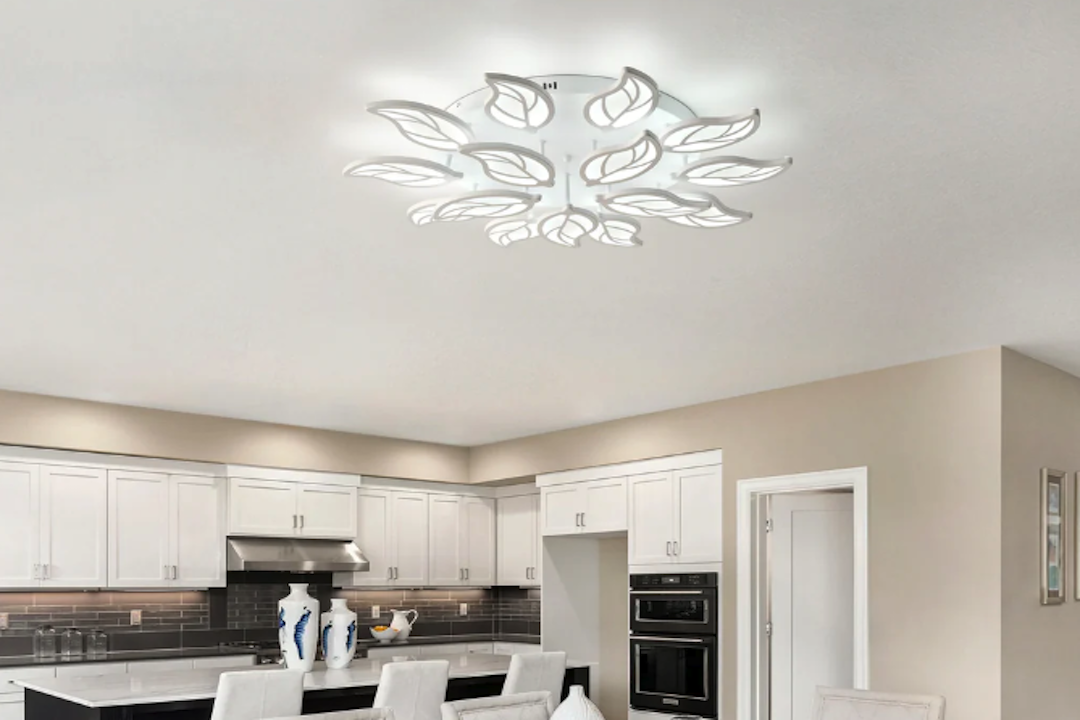
For those seeking more visual interest, low-height semi-flush fixtures come in various geometric shapes – squares, rectangles, hexagons, or even more abstract configurations. These designs can add a modern edge and artistic flair to a room without compromising headroom. They often utilize LED arrays concealed within the structure, allowing for complex forms that were previously difficult to achieve with traditional bulbs. These fixtures become subtle architectural accents.
Multi-Light Clusters and Layered Designs
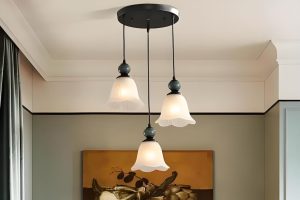
Some low-height semi-flush fixtures incorporate multiple smaller light sources or layered elements to create more intricate visual effects. These can consist of several small diffusers emanating from a central plate or layered rings of light. While more visually complex than single-disc designs, they maintain a low profile and can add depth and varied light patterns to a room. They offer a sense of refinement and can serve as a focal point without being physically imposing.
Installation and Maintenance
Proper installation and routine maintenance are crucial for the long-term performance and safety of any lighting fixture, especially those designed for specific ceiling conditions.
Safety and Electrical Considerations
Installation should ideally be performed by a qualified electrician to ensure compliance with local electrical codes and safety standards. Confirming the fixture’s compatibility with the existing electrical box and wiring is paramount. For older homes, assessing the capacity of the circuit breaker is also important. Always turn off power at the main breaker before beginning any electrical work. Think of electrical work as surgery; precision and safety are non-negotiable.
Mounting and Stability
The mounting mechanism for low-height semi-flush lights typically involves a crossbar secured to the ceiling joist or electrical box, to which the fixture canopy is then attached. Ensure the fixture is securely fastened to prevent wobbling or potential detachment. For heavier fixtures, additional anchor points might be necessary. The stability of the fixture is not just about aesthetics; it’s about safety.
Bulb Replacement and Cleaning
Many modern low-height semi-flush fixtures utilize integrated LED modules, which have a long lifespan and generally do not require bulb replacement. For fixtures that do use replaceable bulbs (e.g., E26/E27 bases), ensure easy access for future maintenance. Regular cleaning with a soft, dry or slightly damp cloth (after turning off the power) will maintain the fixture’s luminescence and aesthetic appeal. Avoid abrasive cleaners that can damage finishes or diffusers. Keeping the fixture clean is like wiping dust off a mirror; it ensures the light reflects its best.
Conclusion
Low-height semi-flush ceiling lights represent a practical and stylish solution for illuminating spaces with limited vertical clearance. By understanding the specific challenges of low ceilings, considering the diverse range of available designs, and adhering to proper installation and maintenance practices, individuals can effectively enhance both the functionality and aesthetics of their homes. These fixtures do more than just provide light; they contribute to the perceived openness and design coherence of a room, transforming a potential constraint into an opportunity for thoughtful illumination. They are a testament to the idea that design can overcome limitations, turning a perceived negative into a positive.