Illuminate Your Dining Nooks with Ceramic and Glass Pendant Lights
Here is an article about illuminating dining nooks with ceramic and glass pendant lights, written in a factual Wikipedia style:
Ceramic and glass pendant lights Ladanmu offer a distinct approach to illuminating dining nooks, providing both functional light and a significant aesthetic contribution. The materials’ inherent properties, such as ceramic’s opacity and glass’s transparency, allow for varied light diffusion and visual texture. This type of lighting is particularly suited for smaller, often overlooked areas within a larger room, such as a breakfast corner or an intimate dining space. The placement and design of these pendants can shape the perceived size and atmosphere of the nook, transforming it from a mere corner into a focal point.
The choice of ceramic or glass as the primary material for a pendant light profoundly influences its lighting characteristics and overall visual impact. Understanding these material properties is key to selecting the most effective fixtures for a dining nook.
Ceramic Pendant Lights: Diffusion and Subtlety
Ceramic, as a material, typically offers a diffused light output. Its opaque nature means that light is less likely to pass directly through, instead reflecting off its interior surface and emanating outwards. This creates a softer, more ambient glow, which can be beneficial in dining settings where harsh shadows are undesirable. The density of ceramic also lends a certain visual weight to a fixture, making it a substantial design element.
Porosity and Glazing Techniques
The production of ceramic pendant lights involves various techniques that affect their light-related performance. Un-glazed ceramic might absorb more light, while glazed surfaces reflect it more effectively. The thickness of the ceramic can also influence how much light is transmitted, though direct transmission is usually minimal. Glazes themselves can range from matte to high-gloss, impacting the way light bounces off the exterior of the fixture. A matte glaze will absorb light, creating a more subdued effect, whereas a glossy glaze will reflect light, potentially adding a subtle sheen to the surrounding area.
Textural Diversity in Ceramic
Beyond color and glaze, ceramic allows for considerable textural variation. Relief patterns, incised designs, and the natural imperfections inherent in fired clay contribute to the tactile and visual appeal of the pendant. These textures can interact with light in interesting ways, creating subtle highlights and shadows that add depth to the illumination. While the primary light source remains diffused, these surface details can contribute to a more nuanced light experience.
Glass Pendant Lights: Transparency, Refraction, and Color
Glass, in contrast to ceramic, offers a wide spectrum of light manipulation possibilities. Its inherent transparency allows for direct light transmission, and its refractive properties can bend and scatter light in specific ways.
Types of Glass and Their Lighting Effects
- Clear Glass: This allows for maximum light transmission, providing bright, direct illumination. Clear glass pendants are often chosen when the primary goal is task lighting or when the intent is to showcase the bulb itself as a design element. However, without diffusion, they can sometimes create glare if positioned incorrectly.
- Frosted or Etched Glass: These treatments reduce glare by scattering light. The process of etching or frosting creates a uniform diffusion, softening the light and creating a more comfortable ambiance. The level of frosting can vary, allowing for a spectrum of diffusion from mildly softened to almost opaque.
- Colored Glass: The introduction of pigments into glass allows for a wide palette of colors. The color of the glass will filter the light passing through, casting a specific hue onto the dining area. This can significantly influence the mood and atmosphere. For instance, warm tones like amber or red can create a cozy feeling, while cooler tones like blue or green might evoke a sense of calm.
- Textured and Patterned Glass: Many glass pendants feature embossed patterns, ribbed textures, or bubbled effects. These not only add visual interest to the fixture itself but also alter the way light is diffused and cast. Ribbed glass, for example, can create linear patterns of light and shadow, while bubbled glass might introduce a playful, dappled effect.
Hand-Blown vs. Molded Glass
The method of glass production can also impact the final fixture. Hand-blown glass often exhibits unique variations and subtle imperfections, characteristic of artisanal craftsmanship. Molded glass, produced in a mold, tends to have a more uniform and precise finish. Both can be equally effective, but the aesthetic considerations might differ.
Designing for the Dining Nook: Form and Function
The specific dimensions and intended use of a dining nook necessitate careful consideration of pendant light design. The scale of the fixture, its suspension height, and its illuminative spread are all critical factors in achieving both effective lighting and harmonious aesthetics.
Scale and Proportion: Finding the Right Fit
Dining nooks, by their nature, are often smaller than a formal dining room. Overly large pendant lights can overwhelm the space, making it feel cramped. Conversely, a fixture that is too small might appear lost and fail to provide adequate illumination and visual presence.
Pendant Size and Nook Dimensions
A general guideline is to relate the diameter of the pendant to the dimensions of the table or seating area it will illuminate. For a small breakfast table seating two to four, pendants typically range from 6 to 12 inches in diameter. Larger nooks or those with more expansive tables might accommodate larger fixtures, perhaps 15 to 20 inches. The overall volume of the nook, including ceiling height, also plays a role. A low ceiling might require a more compact pendant or one with a slimmer profile to avoid feeling oppressive.
Groupings and Clusters
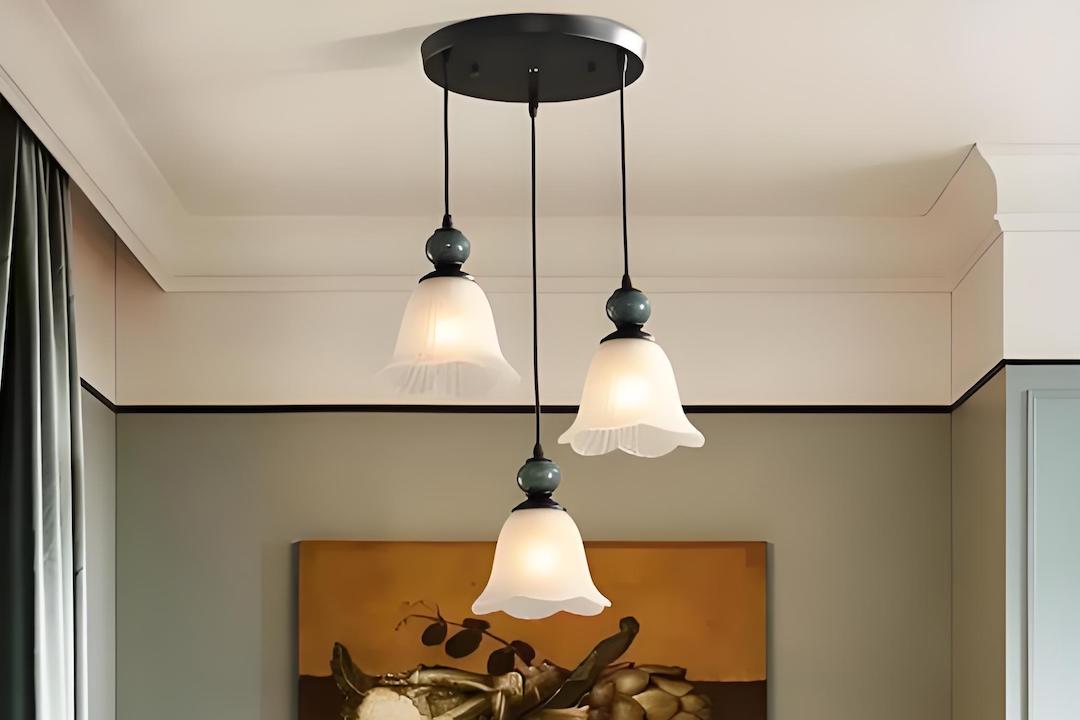
For wider or irregularly shaped nooks, or where a more dynamic visual is desired, multiple smaller pendants can be used in a cluster or a linear arrangement. This approach can effectively fill the space, distribute light more evenly, and create a striking focal point. The spacing between pendants in a cluster is crucial; too close and they might appear cluttered, too far and they lose their collective impact.
Suspension Height: The Art of the Drop
The height at which a pendant light is suspended is paramount to both its functionality and its visual appeal. Incorrect suspension can lead to glare, hinder movement, or simply look awkward.
Illuminating the Table Surface
The primary purpose of dining nook lighting is to illuminate the table. The pendant should be hung low enough to cast light directly onto the eating surface, typically between 28 and 36 inches from the tabletop. This ensures visibility for dining while allowing for conversation without the light source being directly in the line of sight. A sufficient “head clearance” should always be maintained to ensure occupants do not bump their heads.
Visual Balance and Ceiling Height
The height of the pendant also relates to the ceiling height of the nook. In rooms with standard 8-foot ceilings, a lower suspension height is generally preferred. For rooms with vaulted or higher ceilings, the pendant can be hung lower to create a more intimate feel within the larger space, or higher to act as a more distant accent. The visual weight of the pendant itself should also be considered. A substantial ceramic fixture might appear grounded when hung slightly lower, while a delicate glass pendant could feel lighter at a slightly higher position.
Light Spread and Intensity: Creating Ambiance
The quality and quantity of light emitted by the pendant are fundamental to the mood and usability of the dining nook.
Task vs. Ambient Lighting
Ceramic pendants, with their diffused light, often lean towards ambient lighting, creating a soft, welcoming glow. Glass pendants can be more versatile. Clear glass or those with directional shades can offer task lighting, enhancing visibility for reading or fine detail work. Frosted or patterned glass can provide a balance, offering diffused illumination that still possesses enough intensity for dining.
Bulb Choice and Dimmer Compatibility
The choice of light bulb is as consequential as the fixture itself. LED bulbs are a popular and energy-efficient option. The lumen output (brightness) and color temperature (warmth or coolness of the light) of the bulb should align with the desired ambiance. A bulb with a warm color temperature (around 2700K to 3000K) is often preferred for dining areas to create a cozy atmosphere. Furthermore, many pendant lights are designed to be dimmable. Integrating a dimmer switch allows for adjustable lighting levels, enabling the nook to transition from a bright, functional space for daytime use to a softly lit, intimate area for evening meals.
Visual Harmony and Decorative Impact
Beyond their functional purpose, ceramic and glass pendant lights serve as key decorative elements within a dining nook. Their design can either complement or accentuate the existing decor, contributing significantly to the overall aesthetic.
Complementing Interior Styles
The materials and forms of pendant lights can be chosen to align with various interior design aesthetics, from minimalist to bohemian.
Modern and Minimalist Design
For modern or minimalist dining nooks, simple geometric shapes in ceramic or glass are often favored. Matte white, black, or neutral-toned ceramic pendants with clean lines offer understated elegance. Similarly, clear or frosted glass pendants with unadorned forms can integrate seamlessly without drawing undue attention. The focus remains on the purity of form and function.
Traditional and Rustic Aesthetics
In traditional or rustic settings, ceramic pendants can evoke a handcrafted feel. Earthy tones, hand-painted designs, or textured finishes in ceramic can add warmth and character. For glass, vintage-inspired designs such as bell-shaped or lantern-style pendants in antique brass or with subtle seeded glass can complement these styles.
Eclectic and Bohemian Vibes
Eclectic nooks offer more freedom for bold choices. Colorful ceramic pendants, or those with intricate, hand-molded patterns, can become a statement piece. Glass pendants with unusual shapes, vibrant hues, or intricate cut-out designs can also contribute to a playful and personalized aesthetic.
The Pendant as a Sculptural Element
When illuminated, and even when unlit, a pendant light becomes a sculptural element within the dining nook. Its form, material, and the way it interacts with light contribute to the room’s three-dimensional composition.
Material Texture and Light Interaction
The texture of ceramic, whether smooth and polished or rough and matte, interacts with light differently. A smooth surface will reflect light more uniformly, while a textured surface will create subtle play of light and shadow. Glass, with its transparency, can play like a prism. Colored glass will paint the surrounding walls with its hue. The way light passes through, is diffused by, or reflects off the fixture dictates its visual impact.
The Silhouette and Shadow Play
The silhouette of the pendant against the ceiling or walls can also be a significant design feature. Intricate patterns or cut-outs in ceramic or glass can cast decorative shadows, transforming the lighting experience into a dynamic visual display. This “shadow play” can add an unexpected layer of interest to the dining nook, particularly during evening hours.
Practical Considerations for Installation and Maintenance
While aesthetic appeal is important, practical aspects such as installation and maintenance are crucial for the longevity and enjoyment of ceramic and glass pendant lights.
Installation Requirements
The installation of pendant lights, especially those involving electrical wiring, should ideally be undertaken by a qualified electrician to ensure safety and compliance with local building codes.
Ceiling Support and Wiring
Ceramic and glass fixtures can vary in weight. The ceiling structure in the nook must be capable of supporting the weight of the chosen pendant. The electrical wiring must be compatible with the fixture’s requirements, and any new wiring or modifications to existing circuits should be performed by a professional. The type of ceiling material (e.g., drywall, plaster, wood) will influence the installation method.
Adjustable Suspension Systems
Many pendant lights come with adjustable suspension systems, allowing for customization of the drop length. This is particularly useful for ensuring the correct height is achieved. Some systems are integrated into the canopy, while others involve separate downrods or cables. The ease of adjustment can be a factor in the selection process, especially if there is a desire to modify the fixture’s position at a later date.
Cleaning and Care
The materials of ceramic and glass require different approaches to cleaning and care to maintain their appearance.
Ceramic Maintenance
Ceramic is generally durable, but its surface can be susceptible to scratching or chipping. Regular dusting with a soft, dry cloth is usually sufficient for maintenance. For more persistent dirt or grime, a damp cloth can be used, followed by drying. Harsh chemical cleaners should be avoided, as they can damage the glaze or surface finish. For hand-painted or unglazed ceramics, extra care might be needed to prevent staining.
Glass Care
Glass surfaces are prone to fingerprints, dust, and water spots. For clear or frosted glass, a standard glass cleaner and a soft, lint-free cloth are effective. For textured or patterned glass, a gentler approach may be necessary to avoid residue build-up in the crevices. Some colored glass might be more susceptible to fading if exposed to direct sunlight for extended periods, though modern treatments often mitigate this. Any metal components of the fixture, such as the stem or canopy, should be cleaned according to the manufacturer’s recommendations to prevent tarnishing or corrosion.
Illuminating Potential: Beyond the Nook
While the focus is on dining nooks, the principles and benefits of using ceramic and glass pendant lights extend to other transitional or intimate spaces within a home, demonstrating their versatility as design elements.
Adjacent Passageways and Foyers
Small alcoves or widened hallways that lead to dining areas can also benefit from the introduction of a thoughtfully chosen pendant light. A well-placed fixture can serve as a beacon, guiding guests and signaling a transition into a more intimate area. A delicate glass pendant in a narrow foyer, for instance, can add a touch of sparkle and welcome without obstructing passage.
Reading Corners and Alcoves
For areas designated for reading or quiet contemplation, a pendant light can provide focused illumination. A ceramic pendant with a slightly directional shade could offer a warm glow for a comfortable armchair, while a small, clear glass pendant above a side table could provide sufficient light for a book without being overly bright. This demonstrates how these fixtures can cater to specific functional needs within small, dedicated spaces.
Enhancing Small-Space Geometry
In homes where space is at a premium, every element counts. Ceramic and glass pendant lights, with their ability to define zones and add visual interest, are particularly effective in small-space design. They can break up the monotony of a larger room, creating distinct functional areas that feel intentional and well-appointed. The upward or downward pull of a pendant can also influence the perception of height and depth, subtly reshaping the geometry of a diminutive dining nook.