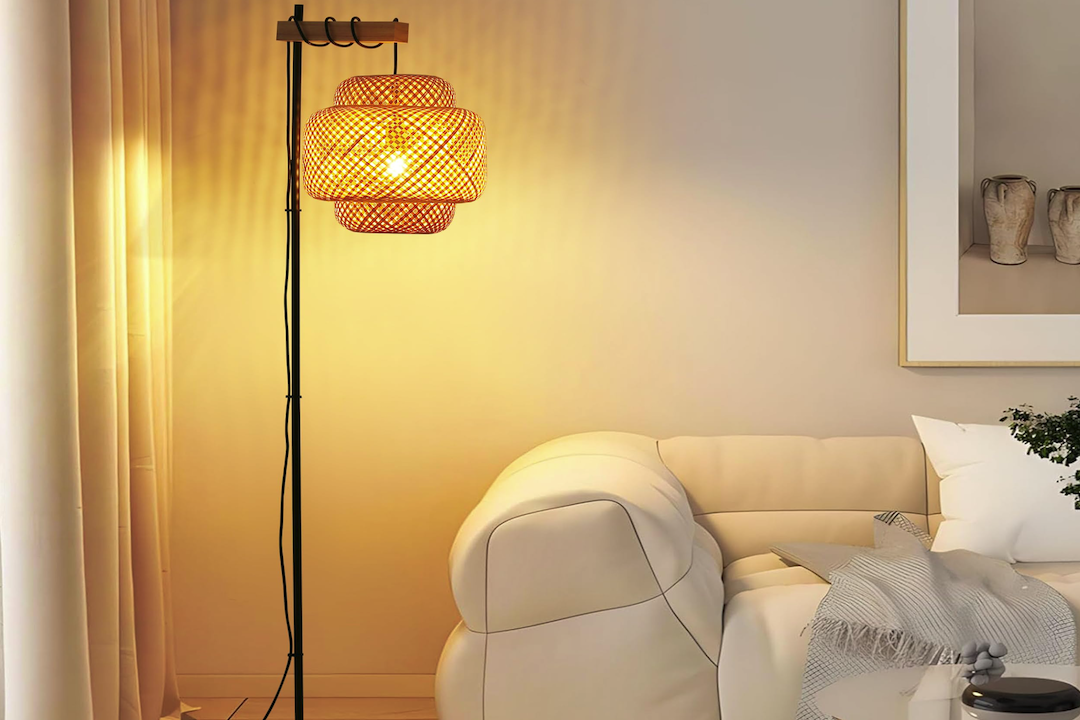
Brighten Your Living Room with Eco-Friendly Bamboo Floor Lamps
Bamboo, a fast-growing and renewable resource, has emerged as a prominent material in sustainable design. Its use in furniture and decor, particularly in lighting, offers an eco-conscious alternative to conventional materials. Bamboo floor lamps, in particular, embody this shift towards environmental responsibility, providing both functional illumination and a distinctive aesthetic for interior spaces. This article explores the various facets of incorporating bamboo floor lamps into your living room, examining their material properties, design considerations, and environmental benefits.
The Rise of Sustainable Materials in Home Decor
The contemporary consumer market is increasingly prioritizing products with a reduced environmental footprint. This trend extends to home furnishings, where manufacturers are responding by developing and promoting items crafted from sustainable resources. Bamboo stands out due to its rapid regeneration rate and minimal need for pesticides or fertilizers, making it an ideal choice for eco-conscious consumers. The demand for sustainable alternatives has propelled bamboo from a niche material to a mainstream option in various product categories, including lighting.
Defining “Eco-Friendly” in the Context of Lighting
The term “eco-friendly” in relation to lighting encompasses several aspects. Firstly, it refers to the sustainability of the raw materials used in production. Bamboo, as a rapidly renewable grass, meets this criterion. Secondly, it considers the manufacturing processes, favoring those with lower energy consumption and waste generation. Thirdly, it assesses the product’s lifespan and recyclability, aiming to reduce landfill contributions. Bamboo floor lamps Zouille, by virtue of their primary material, often align with these principles, offering a more environmentally responsible choice than lamps made from non-renewable resources or those with complex disposal requirements.
Material Properties of Bamboo in Lighting
Bamboo possesses a unique set of material properties that make it well-suited for lamp construction. Its strength, flexibility, and natural aesthetic contribute to its versatility and appeal in design. Understanding these properties is crucial to appreciating its role as a sustainable and functional material.
Strength-to-Weight Ratio
Bamboo exhibits an impressive strength-to-weight ratio, comparable to some types of steel. This characteristic allows for the creation of robust yet lightweight lamp structures. The hollow, tubular nature of bamboo culms provides inherent structural integrity, making it resistant to bending and compression. This strength ensures the longevity and stability of bamboo floor lamps, a critical factor for items intended for prolonged use in a living space.
Flexibility and Malleability
Despite its strength, bamboo also demonstrates a degree of flexibility, especially when treated or manipulated. This characteristic allows designers to create a variety of shapes and forms, from straight, minimalist poles to intricately woven shades. The ability to be bent and molded without compromising structural integrity offers a broad spectrum of design possibilities, contributing to the diverse aesthetics available in bamboo lighting.
Natural Aesthetic and Texture
The inherent beauty of bamboo lies in its natural grain patterns and warm, earthy tones. These characteristics contribute to a sense of organic elegance in interior spaces. The texture of bamboo varies depending on the processing and finish, ranging from smooth and polished to raw and tactile. This natural aesthetic often complements a variety of decor styles, from contemporary minimalist to bohemian and rustic. The absence of artificial finishes often highlights the material’s innate beauty, echoing its natural origins.
Design Considerations for Bamboo Floor Lamps
The design of a bamboo floor lamp extends beyond its material composition; it encompasses elements of form, finish, and functionality. These considerations determine how effectively the lamp integrates into a living room’s existing decor and fulfills its practical purpose.
Form and Structure
Bamboo floor lamps come in a diverse array of forms, reflecting the material’s versatility. Common structures include tall, slender poles supporting a singular shade, or multi-stem designs that create a more diffused light. Some designs incorporate intricate weaving patterns for the shade, showcasing the artisanal capabilities of bamboo, while others utilize simplified geometric forms for a contemporary look. The overall form of the lamp can act as a visual anchor in a room, drawing the eye and contributing to the spatial arrangement. Consider the lamp’s silhouette as a piece of sculpture, contributing to the room’s overall lines and volumes.
Finish and Treatment
The finish applied to bamboo can significantly alter its appearance and durability. Untreated bamboo offers a raw, natural aesthetic, while lacquered or oiled finishes enhance its luster and provide protection against moisture and wear. Stains can be applied to achieve a range of hues, from light natural tones to darker, richer shades, allowing for greater integration with existing color palettes. The choice of finish can influence the lamp’s texture and how it interacts with ambient light, reflecting or absorbing it differently. Think of the finish as the skin of the lamp, determining its tactile and visual interaction with its surroundings.
Shade Design and Light Diffusion
The design of the lampshade is paramount in controlling light diffusion and shaping the ambiance of a room. Bamboo shades can be crafted from woven strips, creating intriguing shadow patterns and a warm, dappled light. Alternatively, solid bamboo panels can be used to direct light in a more focused manner, suitable for reading or task lighting. The density and opacity of the bamboo in the shade determine the amount of light emitted and its spread. A tightly woven shade will create a more contained glow, while a looser weave will allow more light to permeate, casting a softer, wider net of illumination across the room.
Integrating Bamboo Floor Lamps into Your Living Room
The strategic placement and pairing of a bamboo floor lamp can significantly enhance the functionality and aesthetic appeal of your living room. Consider the lamp not merely as a light source, but as a design element that contributes to the overall coherence of the space.
Placement for Optimal Illumination
The positioning of a floor lamp is crucial for achieving desired lighting effects. For general ambient lighting, place the lamp in a corner or alongside a wall to wash the area with a soft glow. If the lamp is intended for task lighting, such as reading, position it beside a sofa or armchair, ensuring the light source is directed towards the activity area. Avoid placing the lamp directly in line with a television or computer screen, as this can create glare. Consider the lamp’s footprint and how it interacts with traffic flow within the room; a floor lamp should complement, not impede, movement.
Harmonizing with Existing Decor Styles
Bamboo floor lamps are surprisingly adaptable to various interior design aesthetics. Their natural origins lend themselves well to bohemian and Scandinavian-inspired spaces, complementing natural fibers and minimalist furniture. In contemporary settings, a sleek bamboo design can introduce a touch of organic warmth, acting as a counterpoint to more industrial or metallic elements. For a rustic or farmhouse feel, untreated bamboo with a visible grain can reinforce the earthy aesthetic. The key is to view the bamboo lamp as a chameleon, able to subtly shift its presence to align with differing design palettes.
Creating Ambiance with Lighting Layers
Effective lighting design often involves creating layers of light, combining ambient, task, and accent lighting. A bamboo floor lamp can serve multiple roles within this system. As an ambient light source, it can cast a soft, diffused glow across the room. If equipped with a dimmer, it can transition into accent lighting, creating a mood or highlighting a particular architectural feature. Pair it with smaller table lamps or wall sconces to build a comprehensive lighting scheme that offers flexibility and depth. Each lamp contributes a distinct voice to the room’s auditory equivalent of light, creating a harmonious blend.
Environmental Benefits of Bamboo Lighting
Beyond aesthetics and functionality, the choice of a bamboo floor lamp carries significant environmental implications. Its sustainable lifecycle, from cultivation to potential end-of-life, positions it as a responsible consumer choice.
Rapid Renewable Resource
Bamboo is renowned for its extraordinarily rapid growth rate, making it one of the fastest-growing plants on Earth. Unlike timber trees that can take decades or centuries to mature, bamboo can be harvested every three to five years without depleting the same plant. This rapid regeneration minimizes the environmental impact of its cultivation, ensuring a continuous supply of raw material without contributing to deforestation. Consider bamboo a living conveyor belt, constantly replenishing its stock.
Carbon Sequestration and Soil Health
Bamboo forests play a vital role in carbon sequestration, absorbing significant amounts of carbon dioxide from the atmosphere and releasing oxygen. This contributes to mitigating climate change. Additionally, bamboo root systems are extensive and dense, helping to prevent soil erosion, particularly in areas prone to runoff. The cultivation of bamboo can therefore contribute to maintaining healthy ecosystems and promoting biodiversity in agricultural landscapes. It acts as the lungs of the earth, breathing in pollutants and securing the ground beneath our feet.
Reduced Chemical Inputs
Compared to many conventional crops, bamboo requires minimal pesticides and fertilizers for healthy growth. Its natural resilience often makes it resistant to pests and diseases, reducing the need for chemical interventions that can harm ecosystems and human health. This lower reliance on synthetic inputs further burnishes its eco-friendly credentials, ensuring a cleaner production chain from farm to finished product. It’s a plant that thrives on its own terms, largely free from artificial crutches.
Maintenance and Longevity of Bamboo Floor Lamps
Maintaining your bamboo floor lamp is straightforward, ensuring its aesthetic appeal and structural integrity for years to come. Proper care will extend its lifespan, further enhancing its sustainability by reducing the need for frequent replacements.
Cleaning and Care Guidelines
For routine cleaning, a soft, dry cloth is usually sufficient to remove dust from bamboo surfaces. For more stubborn dirt or smudges, a slightly damp cloth with a mild soap solution can be used, followed immediately by drying to prevent moisture absorption. Avoid abrasive cleaners or harsh chemicals, as these can damage the bamboo’s finish and natural fibers. Regular, gentle cleaning preserves the lamp’s natural luster and prevents the accumulation of grime that can dull its appearance.
Protecting Against Environmental Factors
Bamboo, being a natural material, is susceptible to extreme humidity and direct sunlight. High humidity can cause swelling or warping, while prolonged exposure to direct sunlight can lead to fading and cracking. Position your bamboo floor lamp away from direct sunlight and areas of high moisture, such as bathrooms. If your living room experiences significant temperature fluctuations, consider a humidifier or dehumidifier to maintain a stable environment. Protecting it from the elements is akin to protecting a delicate piece of artwork; small preventative measures yield significant long-term benefits.
Repair and Refurbishment Potential
One of the often-overlooked aspects of sustainability is the ability to repair and refurbish items rather than replacing them entirely. Many bamboo components, such as individual culms or woven shade sections, can be replaced or repaired by skilled craftspeople. This extends the life of the lamp and reduces waste. Even a simple re-oiling or re-staining can refresh its appearance. Embrace the possibility of repair as a testament to the product’s enduring value, a way to mend rather than discard.