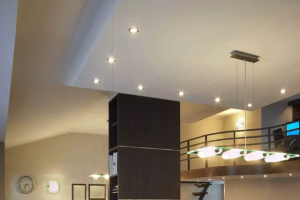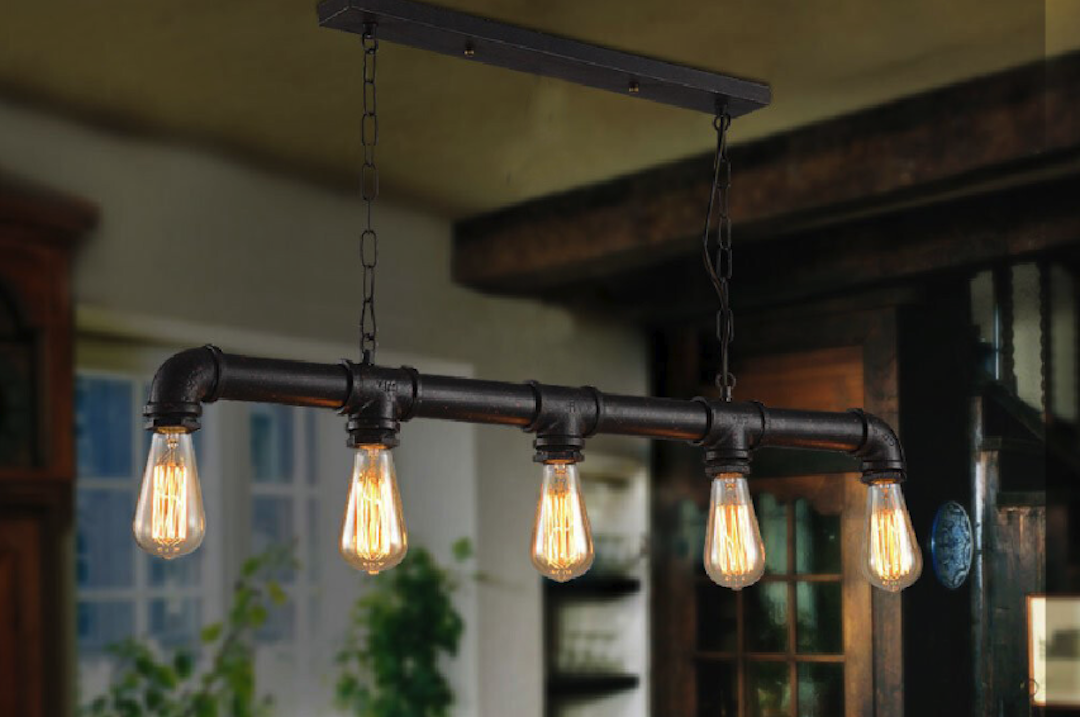
Rustic Loft Illumination: Industrial Pipe Chandelier
Lighting Your Rustic Loft: The Industrial Pipe Chandelier
If you’re looking to add some character and a touch of rugged charm to your loft space, an industrial pipe chandelier might be just the ticket. These fixtures are more than just lights; they’re statement pieces that blend raw, utilitarian aesthetics with functional illumination, perfectly suiting the often-exposed brick, concrete, and open layouts of loft living. They offer a practical way to bring warmth and focus to large, echoing rooms.
Understanding the Appeal of Industrial Pipe Chandeliers
Why are these fixtures gaining so much traction, especially in loft environments? It boils down to a few key things: their inherent durability, their unique visual impact, and their versatility in complementing various décor styles. They’re not about being fussy or delicate; they’re about making a bold, yet grounded, presence.
The Raw Aesthetic
The core of the industrial pipe chandelier Stickstory‘s appeal lies in its materials. Think black iron pipes, galvanized steel, and exposed bulbs. This isn’t polished chrome or delicate crystal. It’s about celebrating the look and feel of manufactured components, often seen in old factories and workshops. This unpretentious design directly taps into the industrial heritage that many lofts embody.
Durability and Longevity
Built from sturdy metal pipes, these chandeliers are designed to last. They don’t bend or break easily, giving them a substantial feel. This inherent toughness also translates into a sense of permanence and reliability for your lighting solution. It’s a fixture that you can install and largely forget about, knowing it’s doing its job and looking good doing it.
Versatility in Design
While you might think “industrial” means one specific look, the reality is far more nuanced. Pipe chandeliers come in a surprising variety of configurations. From simple, straight arms to elaborate, multi-tiered arrangements, and even incorporating elements like gears or wooden accents, there’s an industrial pipe chandelier to suit a wide range of loft aesthetics.
Design Considerations for Your Industrial Pipe Chandelier
Choosing the right industrial pipe chandelier involves more than just picking the one that looks cool. You need to think about how it will integrate with your space and meet your practical lighting needs.
Size and Scale
This is crucial. A massive, sprawling chandelier in a small nook will overwhelm the space. Conversely, a tiny fixture in a vast loft will get lost. Measure your ceiling height and the dimensions of the room. A good rule of thumb is to have the chandelier’s diameter be about half to two-thirds the width of the dining table it might hang over, or to account for about one inch of diameter for every foot of room width.
Ceiling Height Impact
Higher ceilings can accommodate larger, more elaborate designs. For lower ceilings, opt for fixtures that hang less dramatically or those with a more streamlined profile to avoid a claustrophobic feel. You don’t want people ducking!
Room Dimensions Compatibility
Consider the overall footprint of your living area. A chandelier that spans too wide might feel intrusive in more intimate zones, while a compact one can bring focus to a specific area like a reading nook.
Number of Lights and Brightness
How much light do you actually need? Industrial pipe chandeliers often come with multiple bulb sockets, which is great for casting a good amount of light. However, the type of bulb you choose will significantly impact the brightness and mood.
Bulb Choice Matters
Opt for LED bulbs that mimic the warmth of Edison incandescent bulbs (look for “warm white” or a Kelvin rating around 2200K-2700K). These provide the desired vintage look without the energy inefficiency and heat of old-fashioned bulbs. You can also find smart bulbs that allow you to adjust brightness and even color temperature via an app.
Dimmer Switch Integration
Installing a dimmer switch is almost a non-negotiable for industrial pipe chandeliers. It allows you to control the ambiance, shifting from bright task lighting for cooking or working to a softer, more diffused glow for relaxing evenings. This is where you gain real functional control.
Finish and Material Variations
While many industrial pipe chandeliers are made of dark, matte metal, there’s a spectrum of finishes and materials available. This can subtly alter the overall feel of the fixture.
Matte Black vs. Galvanized Steel
Matte black offers a classic, brooding industrial look that blends seamlessly with exposed brick and dark wood. Galvanized steel, on the other hand, has a slight sheen and a grayer tone, which can feel a bit lighter and more aligned with a slightly cleaner, more modern interpretation of industrial style.
Aged or Distressed Finishes
Some manufacturers offer finishes designed to look older and more weathered, adding an extra layer of authenticity and character. This can be particularly effective in lofts that already have a strong sense of history.
Integration of Other Materials
Occasionally, you’ll find pipe chandeliers that incorporate wood accents (like walnut or reclaimed lumber) or even glass elements. These can soften the industrial edge if you’re not aiming for a pure, unadulterated factory look.
Installation and Practicalities
Installing a light fixture like this isn’t typically a weekend DIY project for the average homeowner, but understanding the process can help you communicate with an electrician and manage expectations.
Professional Installation Recommended
For safety and to ensure the fixture is securely mounted, it’s generally best to hire a qualified electrician. They’ll have the proper tools and knowledge to handle the wiring and ensure everything meets electrical codes.
Wiring and Junction Boxes
The electrician will need to connect the chandelier to your home’s electrical system. This involves ensuring the junction box in the ceiling is rated to support the weight of the fixture and that the wiring is done correctly and safely.
Mounting Considerations
The weight of pipe chandeliers can vary significantly. The mounting hardware must be robust enough to hold the fixture securely. Your electrician will assess the ceiling structure to ensure adequate support.
Placement is Key
Beyond just hanging it, think strategically about where you’ll place the chandelier.
Over Dining Tables or Kitchen Islands
This is a classic placement. It defines the space and provides focused task lighting for eating or food preparation. Ensure it’s hung at an appropriate height – generally 30-36 inches above the surface.
Dining Area Focus
In a loft, where spaces often blend, a chandelier over the dining table acts as a visual anchor, clearly delineating the dining area.
Kitchen Island Ambiance
For a kitchen island, these fixtures provide direct light for cooking and prep work, and when dimmed, create a welcoming atmosphere for casual meals or entertaining.
Centered in Large Open Spaces
In a sprawling loft with no defined rooms, a strategically placed industrial pipe chandelier can serve as a central focal point, drawing the eye and adding visual interest.
Creating Zones Without Walls
It can help create a sense of different zones within a large open-plan area simply by its presence and the light it casts.
Balancing the Space
A well-placed chandelier can prevent a large room from feeling empty or cavernous, adding a sense of grounded purpose.
Maintenance and Cleaning
These fixtures, while rugged, still require some upkeep.
Dusting and Bulb Replacement
Regular dusting will keep them looking their best. Bulbs, especially if they are unique or part of the aesthetic, should be replaced promptly when they burn out.
Using Appropriate Tools
A soft cloth or a duster with an extension handle will work well for reaching higher fixtures.
Handling Bulbs Safely
Always ensure the power is off at the switch or breaker before attempting to replace a bulb. Let them cool down if they’ve been on recently.
Styles and Configurations to Explore
The “industrial pipe” description is broad, and the designs you’ll find offer a surprising amount of variety. Think about what kind of visual impact you want to achieve.
The Simple Streamlined Look
For those who prefer a cleaner aesthetic, simpler pipe configurations are available. These often feature straight lines or minimal curves, focusing on the raw materials and exposed bulbs.
Linear Designs
These can mimic a track lighting feel but with the industrial pipe aesthetic. They are excellent for illuminating long spaces or areas where a wider spread of light is needed.
Horizontal Arrangements
Think of a straight pipe with several bulbs extending from it. This is a straightforward and effective option.
Minimalist Clusters
A few pipes joined together in a geometric, clean formation can provide a modern yet industrial feel.
The Multi-Tiered Statement Piece
If you want something truly dramatic, multi-tiered pipe chandeliers offer complexity and visual depth. These can resemble old factory lighting structures but with a refined industrial twist.
Cascading Designs
These can create a sculptural element, drawing the eye upwards and adding a sense of grandeur.
Radial Arrangements
Multiple levels of pipes and bulbs arranged in a circular or radiating pattern.
Geometric Stacks
Interlocking pipes and bulbs forming distinct geometric shapes at different heights.
Incorporating Other Elements
Some designs go beyond just pipes and bulbs, incorporating other materials to subtly modify the industrial feel.
Wood Accents
Wooden elements, such as reclaimed barn wood or polished hardwoods, can soften the harshness of the metal, adding warmth and a touch of rustic charm.
Wooden Base or Hubs
A wooden piece might connect multiple pipes or serve as the central mounting point.
Wooden Shades or Accents on Arms
Occasionally, small wooden details are integrated into the arms holding the bulbs.
Glass or Metal Shades
While many prefer exposed bulbs, some industrial pipe chandeliers feature simple glass bell shades or metal cages around the bulbs. These can alter the light diffusion and add another layer of detail.
Bell Jar or Globe Shades
These offer a softer, more diffused light compared to bare bulbs. They can also protect the bulbs and add a vintage diner feel.
Wire Cage or Metal Grids
These provide protection and a distinct visual element, further enhancing the utilitarian aesthetic.
Where to Find Your Industrial Pipe Chandelier
Sourcing these unique fixtures is becoming easier, both online and locally.
Online Retailers and Marketplaces
The vastness of the internet means you’re likely to find a wide selection.
Specialty Lighting Stores Online
Many online retailers focus on industrial, vintage, and rustic lighting, offering curated selections. Websites like Etsy also host numerous independent makers who specialize in custom pipe fixtures.
Search Terms to Use
Be specific in your searches: “industrial pipe chandelier,” “Edison bulb pendant light,” “farmhouse pipe light,” “steampunk chandelier.”
Customization Options
Many online sellers offer customization – you can often specify the number of bulbs, the pipe length, and even certain finish details.
Local Lighting Showrooms and Boutiques
Don’t underestimate the value of seeing a fixture in person.
Experiencing the Scale and Quality
Being able to touch the materials and gauge the true size can be invaluable.
Expert Advice Available
Showroom staff can often provide insights into design trends and practical installation advice tailored to your home.
DIY Options and Kits
For the truly hands-on individual, there are options to create your own.
Pipe Fitting and Electrical Components
You can purchase all the individual pipe fittings, connectors, and electrical components separately and assemble them yourself.
Safety First with DIY Electrical
If you’re considering a DIY electrical project, ensure you have a solid understanding of electrical safety and local building codes. If in doubt, consult an electrician for wiring and final connections.
Pre-Made Kits
Some vendors offer kits that include all the necessary parts and instructions for assembly, simplifying the process.
Conclusion: A Practical Touch for Your Loft
An industrial pipe chandelier is a highly practical and visually compelling choice for illuminating a loft. It’s a fixture that speaks to durability, character, and a grounded aesthetic. By carefully considering the size, style, and placement, you can select a piece that not only lights up your space effectively but also enhances its overall atmosphere, making your loft feel both functional and uniquely yours. It’s about bringing a piece of utilitarian art to your living space, one that casts light and creates conversation.