Modern Wave Design Curved LED Ceiling Light: A Stylish Lighting Solution
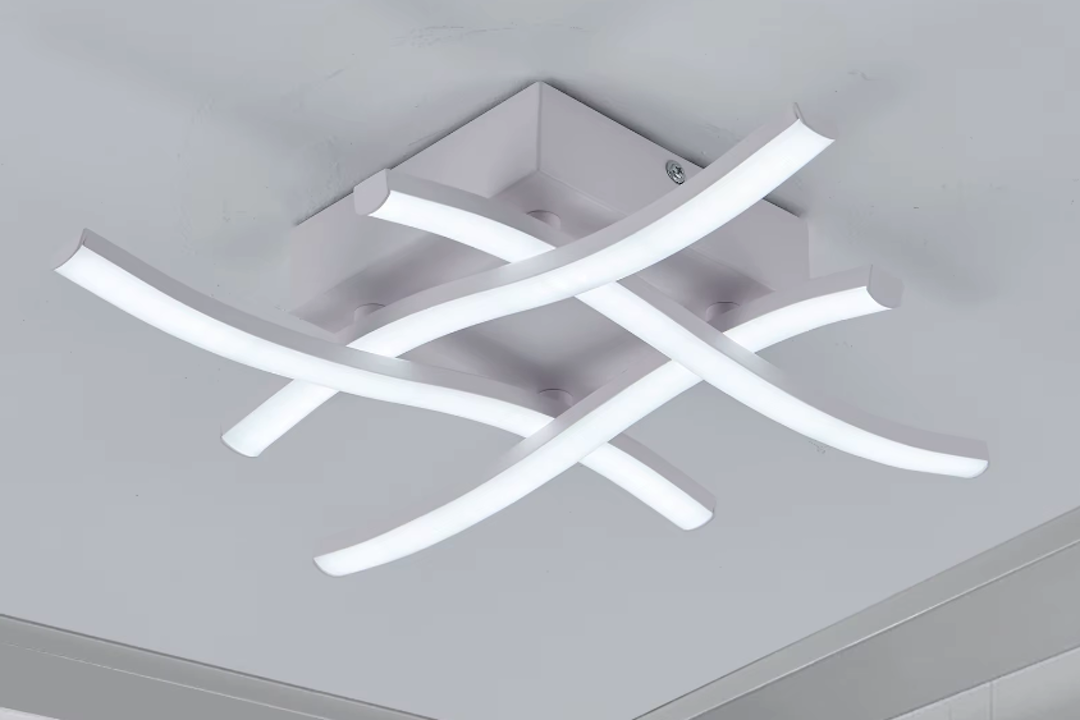
Thinking about upgrading your lighting? Modern wave design curved LED ceiling lights are a solid choice for injecting contemporary style and effective illumination into your home. The main takeaway here is that these fixtures offer a sleek aesthetic with practical benefits, moving beyond basic functionality to become a prominent design feature. They’re more than just lights; they’re a subtle statement piece.
Many homeowners are moving away from traditional, often bulky, light fixtures Fohof. The modern wave design offers a refreshing alternative that feels current without being overly futuristic. It’s about blending form and function seamlessly.
Aesthetic Appeal
The flowing, organic shape of a wave design adds a touch of artistic flair to any room. It’s not a stark geometric shape, nor is it overly ornate. This makes it quite versatile, fitting into various decor styles from minimalist to more eclectic. The curves soften the harsh lines often found in modern architecture, creating a more inviting atmosphere.
Breaking Monotony
Ceilings are often overlooked areas in interior design. A wave light fixture draws the eye upward, breaking the visual monotony of a flat surface. It introduces an element of dynamic movement, even when the light is off.
Versatile Integration
Don’t think these lights only work in ultra-modern homes. Their elegant simplicity allows them to complement a surprising range of interiors. In a transitional space, they can bridge the gap between traditional and contemporary elements.
The Power of LED Technology
Beneath the stylish exterior lies the practicality of LED lighting. This technology has revolutionized home illumination, and its integration into wave designs makes these fixtures even more appealing.
Energy Efficiency
One of the biggest draws of LED is its low power consumption. Compared to incandescent bulbs, LEDs use a fraction of the energy to produce the same amount of light. This translates directly to lower electricity bills, a benefit any homeowner can appreciate.
Longevity
LEDs are known for their extended lifespan. You’re looking at tens of thousands of hours of operation, often meaning you won’t need to replace the bulbs for many years, even with daily use. This reduces maintenance and the hassle of frequent bulb changes.
Instant On
Unlike some older lighting technologies, LEDs provide instant full brightness the moment they’re switched on. There’s no warm-up period, which is particularly useful in areas where immediate illumination is desired, like hallways or task areas.
Practical Illumination and Ambiance
Beyond their good looks and energy efficiency, wave design LED lights excel at providing quality illumination that can enhance the mood of a room.
Even Light Distribution
The curved design of these fixtures often helps in distributing light more evenly across a space. Instead of a single harsh spotlight, the light typically spreads more broadly, reducing shadows and creating a more balanced brightness. This is beneficial in larger rooms or open-plan areas.
Dimmable Options
Many modern wave LED ceiling lights come with dimmable capabilities. This offers incredible flexibility in controlling the ambiance of a room. Bright for tasks, dim for relaxation – the choice is yours, often at the touch of a button or via a smart home system.
Color Temperature Choices
LEDs aren’t just one shade of white anymore. You can often choose fixtures that offer various color temperatures, from warm white (around 2700K-3000K, good for a cozy feel) to cool white (around 4000K-5000K, ideal for task lighting) or daylight (5000K-6500K, mimicking natural light). Some advanced models even allow you to adjust the color temperature after installation.
Installation and Maintenance
While specific installation details will vary by model, understanding the general process and what to expect regarding maintenance can help with your decision.
Professional Installation Recommended
Unless you’re confident with electrical work, it’s generally best to have a qualified electrician install ceiling fixtures. This ensures safety and proper wiring. The mounting mechanism typically involves a bracket attached to the existing ceiling electrical box, and then the fixture secures to that bracket. Some models can be a bit bulkier or uniquely shaped, which may require a second person for support during installation.
Relatively Low Maintenance
Once installed, modern wave LED ceiling lights require minimal maintenance. Due to the longevity of LEDs, you won’t be changing bulbs frequently. Cleaning usually involves a gentle wipe with a microfiber cloth to remove dust. Avoid harsh chemicals that could damage the finish or diffusers.
Integrated LED vs. Replaceable Modules
It’s worth noting whether the LEDs are integrated directly into the fixture (meaning you usually replace the entire fixture if the LEDs fail or reach end-of-life) or if they feature replaceable LED modules. Integrated designs often allow for sleeker aesthetics, but repairability is something to factor in. Most good quality integrated LEDs are designed to last for decades, often exceeding the practical lifespan of the fixture’s design trend.
Considerations Before You Buy
Before committing to a modern wave design curved LED ceiling light, a few practical considerations can help ensure you make the right choice for your home.
Room Size and Scale
Consider the size of the room where the light will be installed. A large, sweeping wave fixture might overpower a small room, while a smaller fixture might get lost in a spacious area. Look at the dimensions of the fixture and visualize it in your space. Manufacturers often provide suggested room sizes or coverage areas.
Ceiling Height
Especially with curved or cascading designs, account for your ceiling height. You don’t want a fixture that hangs too low, obstructing views or creating a feeling of cramped space. Most wave ceiling lights are designed to be relatively flush or semi-flush mount, but some intricate designs can have more depth.
Existing Decor and Style
While versatile, it’s still important to consider how the light will integrate with your existing furniture, wall colors, and overall decorative style. Does it complement or clash? The simplicity of the wave design often makes it a good fit, but a quick visual check can prevent dissonance.
Lighting Needs
Think about the primary purpose of the lighting in that room. Is it for general ambient light, task lighting (like in a kitchen or home office), or more for accent and mood? While many wave lights provide good general illumination, if you need intense task lighting, extra recessed lights or specific task lamps might still be necessary. Dimmable features can address many of these needs.
Budget
Modern wave LED ceiling lights come in various price ranges depending on size, materials, brand, and features (like smart home integration or advanced dimming). Set a realistic budget beforehand to narrow down your options. Remember that the energy savings and longevity of LED can offset a higher initial purchase price over time.
Installation Complexity
As mentioned earlier, some designs can be more complex to install than a simple flush mount. If you’re planning a DIY installation, review the instructions or consult with an electrician about the specific model you’re considering. This avoids unexpected difficulties during installation.
Beyond the Basic Form
The world of wave design LED lights isn’t confined to a single style. There are numerous variations to explore.
Material Choices
Manufacturers use a range of materials, including aluminum, acrylic, steel, and even composite materials. Each offers a different aesthetic and durability. Brushed metals provide a contemporary industrial touch, while frosted acrylic diffuses light softly.
Multiple Waves and Layers
Some designs feature not just one wave, but multiple interconnected waves, or even layered waves, adding to their architectural presence. These can create more intricate light patterns and a grander statement.
Smart Home Integration
A growing number of modern lighting fixtures are compatible with smart home systems like Google Assistant, Amazon Alexa, or Apple HomeKit. This allows for voice control, scheduling, and remote operation, adding a layer of convenience and modern living.
Ultimately, a modern wave design curved LED ceiling light is a practical choice for anyone looking to update their home’s aesthetic and lighting efficiency. It’s a purposeful fixture that marries elegant design with the functional benefits of LED technology. They aren’t just illuminating a space; they are shaping its atmosphere and contributing to its visual appeal with a subtle, yet impactful, presence.