Creating a Cozy Bedroom Corner with a Japandi Paper Floor Lamp
If you’re looking to carve out a little slice of calm in your bedroom, integrating a Japandi paper floor lamp is a fantastic way to do it. It brings together the warmth of Scandinavian design with the minimalist tranquility of Japanese aesthetics, creating a truly serene and inviting space. Think soft, diffused light, natural textures, and an overall feeling of understated elegance.
Why a Japandi Paper Floor Lamp?
It might seem like a small detail, but lighting is exceptionally powerful in setting a mood. A Japandi paper floor lamp Blukon isn’t just about illuminating a space; it’s about crafting an atmosphere. The paper shade diffuses light beautifully, eliminating harsh glares and casting a gentle, ambient glow that instantly makes a room feel more welcoming. This isn’t your bright, task-oriented lighting; it’s about creating a soft, cocoon-like environment perfect for unwinding.
It also ticks the aesthetic boxes for both Japandi styles. From the Japanese side, you get the emphasis on natural materials, clean lines, and a connection to nature. The ‘paper’ element itself is a nod to traditional Japanese craftsmanship. From the Scandinavian side, you get the functional beauty, understated design, and the promotion of a hygge-like comfort. Together, they create something truly special.
Before we dive into placement and styling, it’s good to have a clear picture of what Japandi truly embodies in terms of design. It’s more than just a trend; it’s a philosophy.
The Core Principles of Japandi
At its heart, Japandi is about harmony and balance. It’s the best of both worlds, taking Scandinavian practicality and comfort and blending it with Japanese minimalism and connection to nature.
Minimalism with Warmth
Unlike stark, cold minimalism, Japandi minimalism is inviting. It focuses on keeping only what’s essential and beautiful, but always with an emphasis on comfort and natural elements. It’s about decluttering both your physical space and your mind.
Natural Materials Focus
Wood, bamboo, linen, cotton, clay, and, of course, paper, are the heroes here. These materials bring texture, warmth, and an organic feel to the room, instantly making it feel more grounded and serene. They also age beautifully, developing character over time.
Neutral and Earthy Color Palettes
Think soothing tones: off-whites, creams, soft grays, muted browns, and natural wood shades dominate. Pops of muted green or terracotta might appear, but always in a way that feels organic and calming, not jarring. This palette contributes heavily to the serene atmosphere.
Functionality and Craftsmanship
Every item in a Japandi space typically serves a purpose, but it also boasts good design and quality craftsmanship. There’s an appreciation for well-made objects that will last, rather than disposable trends. This ethos extends perfectly to your floor lamp.
Choosing the Right Japandi Paper Floor Lamp
This isn’t a one-size-fits-all situation. The type of lamp you pick will significantly influence the overall feel of your cozy corner.
Lamp Style and Design
While the “paper floor lamp” is the key element, there are variations within that category that you should consider.
Traditional Shoji-Inspired Lamps
These lamps often feature square or rectangular frames, sometimes with a subtle grid pattern behind the paper. They evoke a very distinct Japanese aesthetic and offer a very uniform light diffusion. They often have a solid wood base, adding to their sturdy, grounded feel.
Organic or Sculptural Shapes
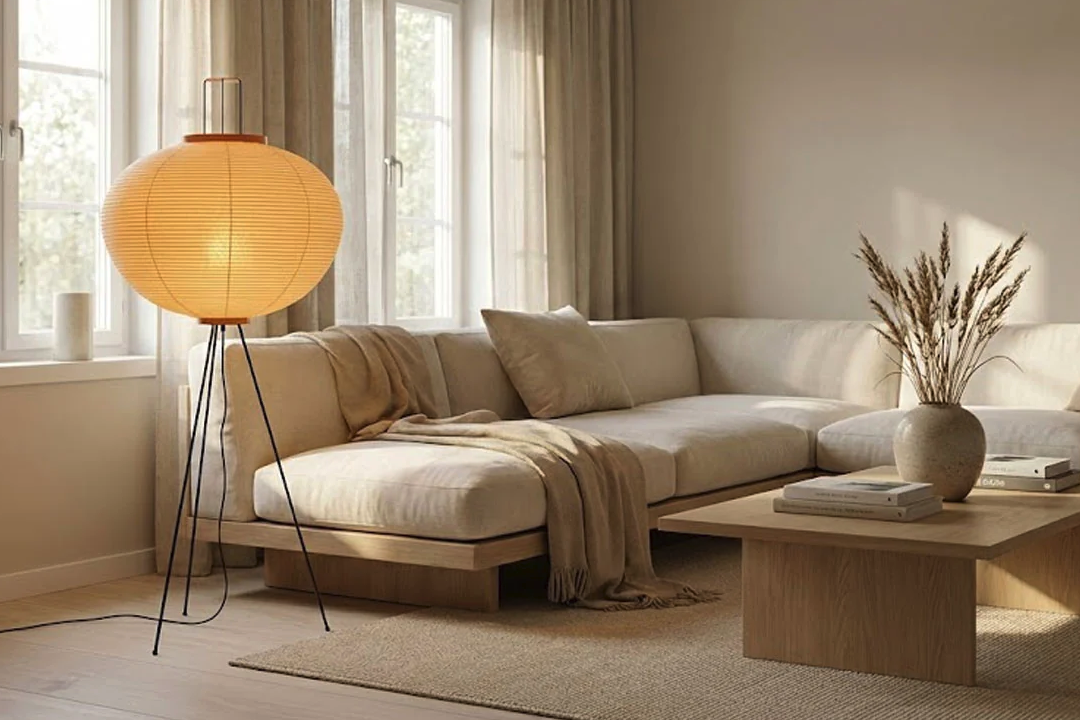
More contemporary Japandi lamps lean into softer, organic forms. Think lamps with shades that are gently curved, spherical, or even irregular, mimicking natural shapes. These can add a touch of artistic flair while maintaining the core principles. The paper might be stretched over a more free-form wire frame.
Tripod or Angled Bases
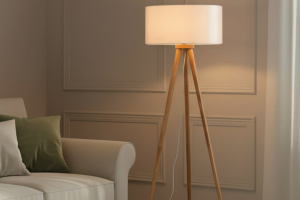
Some Japandi lamps incorporate Scandinavian influence with tripod bases or slender, angled legs, often in light wood. These add a sense of lightness and architectural interest compared to a more solid, traditional base. They often have a slightly more modern, mid-century feel while still being undeniably Japandi.
Size and Scale Considerations
Don’t just pick the prettiest lamp; consider how it will fit in your chosen corner.
Height vs. Ceiling Height
A very tall lamp in a low-ceiling room can feel overwhelming, while a short lamp in a high-ceiling room might get lost. Aim for a lamp that feels proportionate to the space. Generally, a lamp that stands around 5-6 feet tall is a good starting point for a cozy corner, but adjust based on your specific room dimensions.
Shade Diameter
A large, voluminous shade can make a statement, but ensure it doesn’t overpower other elements in your corner. Conversely, a tiny shade might not diffuse enough light to create the intended cozy glow. Think about how much visual space the shade will occupy.
Base Footprint
If your corner is tight, a tripod base might take up more floor space than a lamp with a single, weighted base. Measure your intended area to ensure the lamp’s footprint doesn’t cause tripping hazards or make the space feel cluttered.
Light Temperature and Bulb Choice
This is crucial for establishing coziness.
Warm White Light is Key
Avoid cool white or daylight bulbs. For a truly cozy and relaxing atmosphere, you need bulbs that emit a warm white light, typically in the 2700K (Kelvin) to 3000K range. This mimics the warm glow of candlelight or a gentle sunset, promoting relaxation.
Dimmable Options for Versatility
If possible, choose a lamp with a built-in dimmer, or use a smart bulb that allows you to adjust brightness. This lets you tweak the ambience from softly lit to slightly brighter for reading, giving you maximum flexibility. Always check if the lamp fixture is compatible with dimmable bulbs before purchasing.
LED for Efficiency
Modern LED bulbs are highly energy-efficient, long-lasting, and don’t produce much heat, making them a practical choice for a paper-shaded lamp.
Designing Your Japandi Cozy Corner
Now for the fun part: bringing it all together. It’s about creating a cohesive, inviting space.
The Foundation: Grounding Elements
Start with the basics that will define your corner.
Small Area Rug or Sheepskin Throw
Placing a soft, natural-fiber rug (think jute, wool, or a cotton blend) under your seating and lamp will define the space and add texture and warmth. A faux sheepskin throw draped over a chair or even on the floor further amplifies the cozy factor. These elements create a tactile experience that invites you to settle in.
Low-Profile Seating
Japandi leans towards low-to-the-ground furniture, enhancing the feeling of groundedness and calm.
Floor Cushions or Poufs
If space is very limited, a couple of plush floor cushions or a versatile pouf can be perfect. They offer flexible seating and can be easily moved. Look for natural fabrics like linen or cotton.
Armless Chair or Small Lounge Chair
A simple, comfortable armless chair or a compact lounge chair with clean lines and natural upholstery (cotton, linen, or a subtle natural blend) is ideal. Avoid anything overly bulky or upholstered in synthetic, shiny fabrics. A curved back can add an inviting touch.
Window Bench (If Applicable)
If your corner happens to be near a window, a simple, cushioned window bench can double as seating and storage, embodying Japandi functionality. Add some comfortable cushions and throws to make it extra inviting.
Accessorizing with Intention
Remember the “less is more” philosophy. Each item should have a purpose or bring joy.
Small Side Table
Essential for practicality. Choose a simple, unobtrusive side table in natural wood (light oak, birch, or even bamboo) or a matte metal. It should be just large enough to hold a teacup, a book, or a small plant.
Minimalist Tray
Consider a small, elegant tray on your side table to group items like a teacup, a delicate ornament, or your current read. This helps maintain a sense of order.
Natural Textiles
These are critical for adding warmth and softness.
Chunky Knit Throw Blanket
Drape a soft, chunky knit throw blanket over your chair or pouf. Look for natural fibers like wool, cotton, or linen in a neutral color. It’s not just decorative; it’s there to be used.
Linen or Cotton Cushions
Add a couple of understated cushions to your seating. Again, stick to natural fabrics and a neutral, earthy palette. They should provide comfort without feeling overly plush or decorative.
Greenery: A Touch of Nature
Plants are a cornerstone of both Japanese and Scandinavian design, bringing life and freshness into the space.
Small Potted Plant (Spathiphyllum, Snake Plant, Pothos)
A simple, low-maintenance plant in a ceramic or terracotta pot can elevate the corner. Choose plants that thrive in indirect light. Their organic forms and vibrant green provide a gentle contrast to the otherwise neutral palette.
Bonsai or Kokedama
For a distinct Japanese touch, a small bonsai or a kokedama (moss ball plant) can be a beautiful focal point, embodying tranquility and nature. These often require a little more care but are incredibly rewarding.
Functional Decor
Items that are both beautiful and useful fit perfectly.
Ceramic Mug or Teacup
A handmade ceramic mug or a delicate teacup placed on the side table suggests a ritual of warmth and quiet contemplation. Choose something with an organic, imperfect feel.
Book or Journal
A physical book or a journal invites you to pause and engage in a calming activity. Keep it simple; avoid a stack of magazines that can feel cluttered.
Scented Candle or Diffuser
A subtle, natural scent can enhance relaxation. Opt for candles made from soy or beeswax with essential oil blends (lavender, cedarwood, sandalwood) or a diffuser with calming essential oils. Choose an unscented option if you’re sensitive to smells.
Placement and Lighting Considerations
Where you put the lamp and how you use it are just as important as the lamp itself.
Finding the Sweet Spot
Think about both aesthetics and functionality.
Corner Placement for Ambient Light
Placing the lamp in the actual corner of the room, behind your seating, allows its light to bounce off two walls, creating a broader, softer ambient glow that fills the space gently. This helps to eliminate harsh shadows.
Beside Seating for Reading
If your primary goal for the corner is reading, position the lamp slightly to the side and behind your shoulder, ensuring the light falls directly onto your book without casting shadows. The paper shade will ensure it’s not too bright.
Away from Direct Sunlight
While natural light is wonderful, avoid placing your paper lamp directly in a sunbeam for extended periods, as it could fade or damage the paper over time. It’s best in a generally well-lit room but where it’s not bombarded by harsh UV rays.
Maximizing the Glow
How you pair the lamp with other light sources matters.
Relying Primarily on the Lamp
For true coziness, try to rely predominantly on the soft glow of your paper lamp in that corner. This will create a deliberate pool of light, making the area feel intimate and special.
Complementing with Other Soft Lighting
If you have other light sources in the room (like a bedside lamp or ceiling fixture), ensure they are also warm-toned and can be dimmed or used sparingly. You want to avoid one harsh light source undermining the lamp’s natural softness. A string of fairy lights in a nearby shelf can also add a complementary sparkle.
Dimmer Switch is Your Friend
As mentioned, a dimmer allows you to adjust the brightness to suit your mood or activity. Bright for a moment, then dial it down to a whisper for pure relaxation. This is perhaps the most critical tool for light customization.
Maintaining Your Paper Floor Lamp & Corner
A core tenet of Japandi is longevity and respect for materials.
Gentle Cleaning for Paper Shades
Paper shades are delicate and require a soft touch.
Dusting with a Soft Brush or Microfiber Cloth
Regularly use a very soft brush (like a clean makeup brush or a duster designed for delicate surfaces) or a dry microfiber cloth to gently remove dust from the paper shade. Work in one direction to avoid tearing.
Avoiding Liquids and Harsh Cleaners
Never use water or chemical cleaners on paper shades, as they can cause discoloration, damage, or tears. If there’s a stubborn mark, consult the lamp manufacturer’s instructions, but generally, it’s best to live with minor imperfections as part of the material’s character.
Caring for Natural Materials
Extend the life and beauty of your other Japandi elements.
Wood Furniture Care
Wipe wooden surfaces with a dry or slightly damp cloth. Use wood-specific cleaners or polishes sparingly, as simple cleaning is often best for maintaining a natural finish. Protect surfaces from moisture and heat.
Textile Maintenance
Follow care labels for throws and cushions. Many natural fiber items benefit from spot cleaning or gentle machine washing if necessary, followed by air drying to prevent shrinkage or damage.
Plant Care
Keep your plants healthy and thriving with appropriate watering and light. Healthy plants look better and contribute to the overall feeling of wellness in your corner. Regularly dust their leaves to help them photosynthesize efficiently.
The End Result: A Sanctuary
With careful consideration of your Japandi paper floor lamp and the surrounding elements, you won’t just have a corner; you’ll have a micro-sanctuary. It’s a space designed for quiet introspection, reading, sipping tea, or simply unwinding after a long day. The soft, diffused light, the natural textures, and the intentional simplicity all come together to create a feeling of calm and comfort that truly nourishes the soul. Enjoy your peaceful retreat!