Enhance Your Mudroom with an Antique Bronze Pendant Light
You’re wondering if an antique bronze pendant light is a good idea for your mudroom, and the short answer is: yes, absolutely! It’s a fantastic way to add both style and practical illumination to what can often be a neglected space. Think of it as giving your mudroom a bit of a glow-up that’s both beautiful and functional.
Why Antique Bronze is a Smart Choice
When we talk about antique bronze, we’re not really talking about something that’s genuinely ancient. More often, it’s a finish applied to metal that mimics the rich, darkened patina of aged bronze. This look has a lot going for it, making it a very popular choice for home décor, and especially for an area like the mudroom.
The Enduring Appeal of the Finish
That distinctive, slightly muted, often earthy tone of antique bronze brings a sense of history and character without feeling fussy. It’s got a warmth that many other finishes lack. It’s not shiny or ostentatious, which is perfect for a hardworking space like a mudroom where you want something that’s durable and visually grounding. It’s the kind of finish that feels like it’s always belonged, even in a new fixture.
Versatility in Style
This is where antique bronze really shines. Because it’s a finish and not a specific material, it can be applied to a wide range of pendant light Funkskitchen designs. Whether your mudroom leans towards farmhouse chic, modern rustic, industrial, or even something a bit more traditional, you can find an antique bronze pendant that will fit right in. It’s a chameleon of a finish.
Softer Light Quality
Often, antique bronze fixtures have diffusers or shades made of glass or even fabric. This tends to create a softer, more diffused light than a bare bulb or a clear glass fixture might. For a mudroom, where you might be rushing in and out, fiddling with keys, or just need a welcoming ambiance, that softer glow can be much more pleasant. It avoids harsh shadows.
Durability for a High-Traffic Zone
Mudrooms are, by definition, high-traffic areas. They’re the gateway to your home, dealing with muddy boots, wet umbrellas, and the general hustle and bustle of daily life. You need fixtures that can stand up to a bit of wear and tear, and antique bronze finishes are generally quite robust.
Resistance to Wear and Tear
Unlike polished metals that can scratch easily or show fingerprints readily, the patina of antique bronze is forgiving. It’s designed to look a little lived-in, so minor scuffs or rubs are less noticeable. This means your pendant light will continue to look good for years to come, even with the occasional bump.
Easy Maintenance
Keeping your antique bronze pendant looking its best is usually pretty straightforward. A gentle dusting is often all that’s needed. If it gets a bit grimy, a soft, damp cloth is usually sufficient. You won’t need specialized cleaners, which is just one less thing to worry about.
Practical Considerations for Your Mudroom Pendant
Beyond just looking good, a pendant light in your mudroom needs to work hard. It needs to provide adequate light for the tasks you perform there, and it needs to be installed safely. Let’s break down what makes a pendant light practical for this specific space.
Illumination Needs in the Mudroom
Think about what you actually do in your mudroom. It’s not just a place to dump your coat. You might be sorting mail, finding matching gloves, changing shoes, or even dealing with pets. The light needs to be bright enough for these activities.
Task Lighting vs. Ambient Lighting
A pendant light can serve as both. A well-placed pendant can provide ambient light for the whole room, but if it’s positioned over a key area like a bench or a counter, it can also act as task lighting. Consider what you need most. If your mudroom is small, one good pendant might do the trick. If it’s sprawling, you might need more.
Brightness and Color Temperature
The brightness of a light bulb is measured in lumens. For a mudroom, you’ll generally want a decent amount of lumens to properly illuminate the space. The color temperature, measured in Kelvin (K), also matters. A warmer white (around 2700K to 3000K) is generally more inviting and can complement the antique bronze finish nicely.
The Importance of Placement
Where you hang that antique bronze pendant makes a huge difference in how effective it is. It’s not just about aesthetics; it’s about maximizing its functionality.
Ceiling Height and Clearance
This is critical for safety and usability. You don’t want to be bumping your head every time you walk through the mudroom, especially if you’re carrying laundry baskets or other items. Measure your ceiling height and consider the droop of the pendant. Most pendants have adjustable chains or cords, so you can tailor the height. A general rule of thumb for overhead lighting in living areas is around 7 feet from the floor, but in a mudroom, you might want it a bit higher, especially in the main walkway, making sure there’s plenty of headroom.
Over the Right Zones
Is your mudroom primarily for entry and exit, or does it have a dedicated area for sorting or storage? If you have a bench for putting on shoes, hanging the pendant centered over that is a great idea. If you have a small counter for mail, placing it there can be useful. Think about the flow of activity in your mudroom.
Avoiding Glare
While you want sufficient light, you don’t want a light that directly shines into your eyes and causes glare. This is where shade materials and diffuser types come into play. A frosted glass shade or a fabric shade can soften the light and prevent harsh glare. A pendant with a downward-facing shade can direct light where you need it most without being blinding.
Choosing the Right Pendant Style
Antique bronze is a finish, and it can be applied to a multitude of pendant styles. Picking the right style is key to making your mudroom look cohesive and reflecting your personal taste.
Popular Design Styles that Suit Antique Bronze
Some classic pendant shapes just lend themselves perfectly to that antique bronze finish. These are the styles that tend to work best in a mudroom context.
The Bell Pendant
This is a very common and practical style. The bell shape is often associated with traditional or farmhouse aesthetics and provides good downward light. In antique bronze, it feels robust and utilitarian, yet still stylish.
The Schoolhouse Pendant
Another classic, the schoolhouse pendant typically features a simple, globe-like glass shade, often with a slightly industrial feel. Antique bronze hardware on these looks very authentic and can bring a vintage schoolhouse vibe to your mudroom.
The Cage Pendant
These pendants have a metal cage surrounding the bulb. They offer a more industrial or utilitarian look. Antique bronze here can give it a slightly softer, more antique feel than a shiny metal cage. It’s great for a more robust, hard-working aesthetic.
The Barn Light Pendant
Evoking the look of old barn lighting, these often have a slightly wider, flared shade. In antique bronze, they look right at home in a rustic or farmhouse mudroom and offer excellent directional light.
Understanding Shade Materials
The shade is a big part of the lamp’s overall look and how it distributes light. For antique bronze pendants, you’ll often see these materials.
Glass Options
- Clear Glass: Offers the most direct light. It’s good if you want maximum brightness and can also showcase decorative bulbs if that’s your thing.
- Frosted Glass: Diffuses light, creating a softer, more even glow. This is excellent for reducing glare and creating a more inviting atmosphere.
- Amber or Tinted Glass: Can add a warm, cozy feel. This is especially nice with an antique bronze finish, as it enhances the warmth.
- Ribbed or Seeded Glass: Adds texture and visual interest, breaking up the light in a pleasing way.
Metal Shades
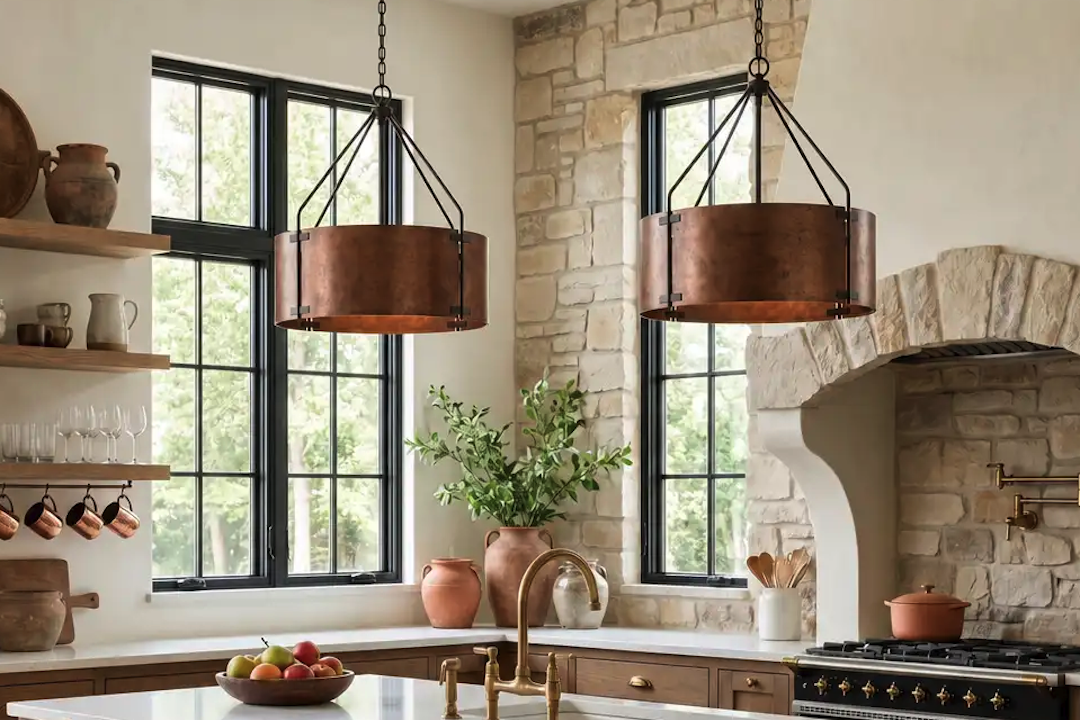
Many pendants have entirely metal shades. This is fantastic for directing light downward and can be very durable. The antique bronze finish on a metal shade is a classic combination for a utility-minded but stylish look.
Fabric Shades
Less common in mudroom pendants due to potential for dust and grime, but if your mudroom is cleaner and more of a transition space, a fabric shade can offer a softer, more diffused light. Consider ease of cleaning when opting for this.
Installation and Safety First
Putting up a new light fixture, even a pendant, requires a bit of know-how. It’s not the most complex DIY project, but safety and following the right steps are paramount.
When to Call in the Professionals
If you’re not comfortable working with electricity, or if your existing fixture wiring looks old or damaged, it’s always best to hire a qualified electrician. They can ensure the fixture is installed correctly and safely, and can also advise on any potential upgrades needed for your wiring.
Understanding Your Electrical System
Knowing where your breaker box is and how to turn off the power to the specific circuit you’ll be working on is fundamental. Don’t guess; make sure you’ve found the right breaker.
Dealing with Old Wiring
Older homes can have outdated wiring that might not support modern fixtures or could be a safety hazard. An electrician can assess this and make any necessary improvements.
DIY Installation Steps (with Caution)
If you’re confident in your DIY skills and the electrical system is sound, here’s a general idea of the steps involved:
- Turn Off Power: Crucially, go to your breaker box and turn off the power to the light fixture’s circuit. Double-check by trying to turn on the old light; it should not work.
- Remove Old Fixture: Carefully disconnect the wiring from the old fixture. Note how it was connected – typically black wire to black, white wire to white, and ground wire to ground (usually green or bare copper).
- Mount the Canopy/Bracket: Many pendant lights come with a mounting bracket that attaches to the electrical box in the ceiling. Ensure this is securely fastened.
- Assemble the Pendant: Follow the manufacturer’s instructions to assemble the pendant, attaching the canopy, chain or cord, and the shade.
- Wire the New Fixture: Connect the wires from the pendant to the corresponding wires in the ceiling box. Again, black to black, white to white, ground to ground. Use wire nuts for secure connections.
- Attach the Canopy: Push the wires gently back into the electrical box and secure the pendant’s canopy to the mounting bracket.
- Install the Bulb: Screw in the appropriate light bulb.
- Restore Power and Test: Turn the power back on at the breaker. Test the new light to ensure it works.
Beyond the Light: Complementary Mudroom Touches
A beautiful antique bronze pendant light is a fantastic starting point, but to truly transform your mudroom, consider other elements that will work harmoniously with it.
Color Palette and Finishes
The earthy tones of antique bronze are quite versatile. Think about how other colors and finishes in your mudroom will complement it.
Warm Neutrals
Creams, beiges, muted greens, and soft grays can all pair beautifully with antique bronze, creating a cozy and inviting atmosphere. These colors are also practical as they tend to hide dirt and scuffs better than stark whites.
Wood Tones
Natural wood finishes, whether light or dark, will always look good with antique bronze. Consider wooden hooks, a bench, or shelving to bring in warmth and texture.
Other Metal Accents
While you don’t want to go overboard, a few other metal accents can work. Think about brushed nickel for something modern, or matte black for a bolder contrast. Try to stick to one or two other metal finishes to avoid a cluttered look.
Furniture and Storage Solutions
Your furniture and storage should not only be practical but also visually complement your new light fixture.
Benches and Seating
A sturdy bench is a mudroom essential. Look for one that complements the style of your pendant. A wooden bench, perhaps with some metal hardware that echoes the antique bronze, would be a great fit.
Hooks and Racks
Opt for hooks that match or complement your pendant’s finish. Wrought iron, antique brass, or even brushed nickel hooks can work. Think about functionality first – are they strong enough for heavy coats?
Cabinetry and Shelving
If you have built-in storage, consider the hardware – knobs and pulls. Matching these to your pendant’s finish can tie the whole space together. Open shelving can be a great place to display decorative items that pick up on the warm tones of the antique bronze.
Decorative Elements
Even a functional space like a mudroom can benefit from a few well-chosen decorative touches.
Doormats and Rugs
A durable doormat is essential for trapping dirt. Consider a rug that has some texture or a pattern that incorporates warm colors.
Wall Art and Mirrors
A small piece of art or a mirror can add personality. A mirror, in particular, can help reflect light and make the space feel larger. Choose a frame that complements your scheme.
Plants and Greenery
A touch of green can liven up any space. A low-maintenance plant on a shelf can add a natural element that pairs well with the earthy tones of antique bronze.
The Long-Term Value of an Antique Bronze Pendant
Investing in quality lighting for your mudroom is more than just an aesthetic choice; it’s about enhancing the functionality and feel of your home’s entry point. An antique bronze pendant light offers a unique blend of enduring style, practical illumination, and durable design. It’s a fixture that works hard behind the scenes, making your daily routines a little smoother and your home’s entrance a lot more welcoming. It’s the kind of detail that elevates a utilitarian space into something genuinely considered and stylish.