Cane Lighting: Lighter Than Rattan
Thinking about adding some natural texture to your home with cane lighting? You’re on the right track! While cane and rattan often get lumped together, there’s a key difference when it comes to lighting: cane is generally lighter and more delicate than rattan. This often makes it a fantastic choice for light fixtures where you want a more airy feel, or for pieces that need to suspend without too much visual weight.
What Exactly Is Cane?
Let’s clear up some common confusion right off the bat. Both cane and rattan come from the rattan palm. Think of rattan as the plant itself – the whole vine, if you will. Cane, on the other hand, is specifically the outer skin of the rattan vine.
Here’s the practical bit: this outer skin is stripped off, creating long, thin, and remarkably strong strands. These strands are then often woven into patterns, like the familiar hexagonal weave you see on chair backs and, of course, lampshades. Because it’s just the outer layer, it’s naturally thinner and more flexible than the whole rattan pole.
The Lightweight Advantage in Lighting
When it comes to lighting, cane’s lighter nature offers several distinct advantages. It’s not just about aesthetics; it’s about practicality and how the light Shewarek interacts with the material.
Visual Lightness
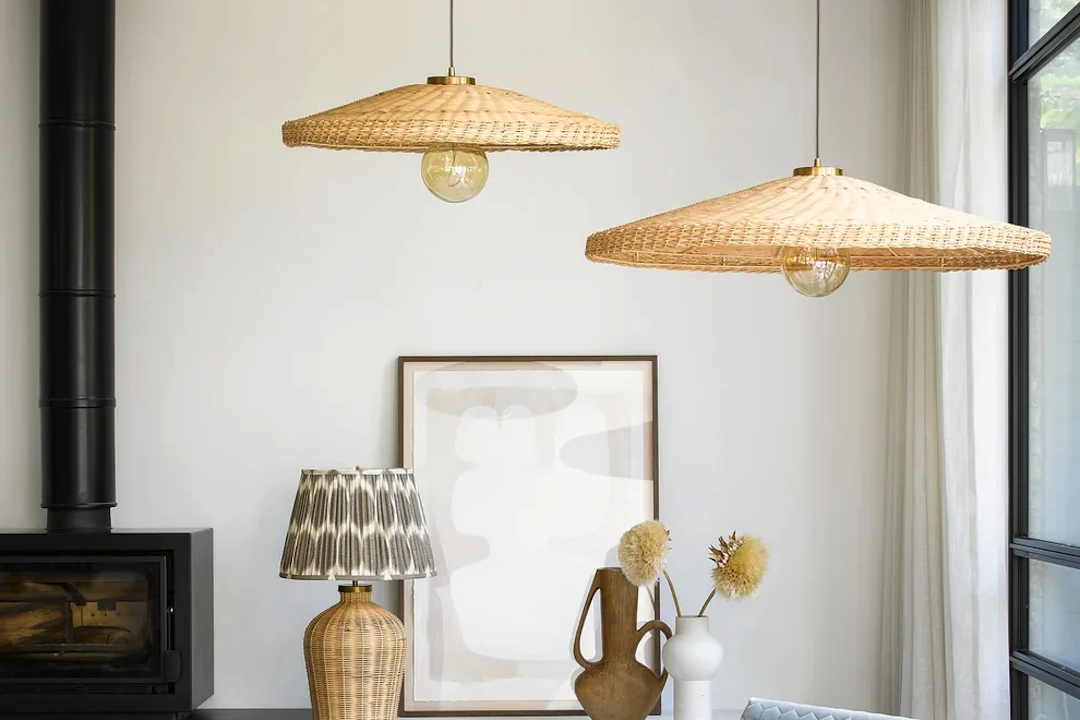
- Airy Aesthetic: Cane creates a much more open and airy look compared to chunkier rattan. This is especially beneficial in smaller rooms or spaces where you don’t want the light fixture to feel too dominant or heavy. Imagine a delicate cane pendant in a cozy reading nook – it enhances the space without overwhelming it.
- Minimalist Appeal: For those leaning towards a more minimalist or Scandinavian-inspired design, cane lighting fits beautifully. Its fine texture and open weave contribute to a sense of understated elegance rather than a rustic, bulky feel.
Physical Lightness
- Easier Installation: A lighter fixture means less strain during installation. If you’re tackling a DIY project, a cane pendant is generally easier to maneuver and hang than a heavier, solid rattan piece. This can be a real plus, especially for larger fixtures.
- Less Structural Strain: While most modern ceiling boxes can handle a good amount of weight, lighter fixtures are always a little kinder to your ceiling structure. This is a subtle benefit, but worth noting for peace of mind.
How Cane Interacts with Light
This is where cane truly shines, quite literally. Its unique structure profoundly impacts how light is diffused and cast into a room.
Beautiful Diffusion
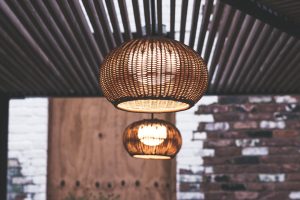
- Soft, Filtered Glow: The open weave of cane acts as a natural diffuser. Instead of harsh, direct light, you get a soft, filtered glow that’s incredibly inviting and reduces glare. This is ideal for ambient lighting where you want to create a relaxed atmosphere.
- Warm Tones: The natural color of cane, ranging from creamy beige to light honey, also contributes to the warmth of the light. It imparts a subtle, organic hue to the illumination, making rooms feel cozier.
Intricate Shadows
- Playful Patterns: One of the most charming aspects of cane lighting is the way it casts shadows. The woven pattern creates beautiful, intricate designs on walls and ceilings, adding an extra layer of visual interest to your space. This can transform a plain room into something much more dynamic and engaging as the light moves throughout the day or night.
- Atmospheric Ambiance: These patterns aren’t just decorative; they contribute significantly to the overall ambiance. Think of the subtle dappled light filtering through leaves – cane lighting can create a similar, calming effect indoors.
Where Does Cane Lighting Fit In?
Cane lighting is remarkably versatile and can complement a wide range of interior design styles. It’s not just for bohemian or coastal homes anymore.
Versatile Design Styles
- Boho Chic: This is probably the most obvious pairing. Cane’s natural texture and handcrafted feel align perfectly with the relaxed, eclectic vibe of bohemian decor.
- Scandinavian: The clean lines, natural materials, and emphasis on light in Scandinavian design make cane a perfect fit. It adds warmth and texture without being overly ornate.
- Mid-Century Modern: Cane accents were a staple in mid-century furniture, so incorporating cane lighting can beautifully link to a mid-century modern aesthetic, adding an organic touch to its often sleek forms.
- Modern Farmhouse: While rattan might lean more rustic, cane offers a more refined, lighter touch that can soften the sometimes robust feel of modern farmhouse interiors.
- Contemporary: In a contemporary setting, a well-chosen cane fixture can provide a grounding, organic element that contrasts beautifully with modern materials and sharper lines, preventing a space from feeling too cold.
Ideal Room Placement
- Living Rooms: A large cane pendant as a central focal point can tie the room together, providing soft ambient lighting for evenings. Smaller cane wall sconces can add accent lighting.
- Bedrooms: The soft, diffused light from a cane lamp is perfect for creating a relaxing sanctuary. Think bedside table lamps or a delicate ceiling fixture.
- Dining Areas: A series of smaller cane pendants above a dining table can create an intimate and inviting atmosphere for meals.
- Entryways: A single, striking cane pendant in an entryway can make a memorable first impression, offering a warm welcome.
- Covered Outdoor Spaces: While not suitable for direct exposure to the elements, cane lighting can be wonderful in covered patios or sunrooms, bringing an indoor-outdoor feel.
Care and Maintenance for Cane Lighting
Like any natural material, cane requires a little bit of care to keep it looking its best. The good news is, it’s generally pretty low-maintenance.
Keeping it Clean
- Regular Dusting: The main thing is to prevent dust buildup in the weaves. A soft brush, a dry microfiber cloth, or even the brush attachment on your vacuum cleaner on a low setting works well. Do this regularly – every week or two – to keep dust from settling deeply into the fibers.
- Gentle Wiping: For any marks or light grime, a slightly damp (not wet!) cloth can be used. Make sure to wring out any excess water thoroughly. You don’t want to saturate the cane, as prolonged moisture can cause it to swell or warp.
- Avoid Harsh Chemicals: Steer clear of any abrasive cleaners, chemical sprays, or furniture polishes. These can strip the natural oils from the cane, cause discoloration, or damage the fibers.
Protecting from Damage
- Humidity Control: Extreme fluctuations in humidity can affect cane. In very dry environments, it can become brittle. In extremely humid conditions, it might absorb too much moisture. Aim for moderate indoor humidity levels where possible. If your environment is very dry, a humidifier can help.
- Sunlight Exposure: While cane loves light, prolonged direct sunlight can cause it to fade over time. If your cane fixture is in a spot that gets intense, direct sun for many hours a day, consider rotating it periodically or using sheer curtains to filter the light.
- Handling with Care: While durable, cane is still a natural fiber. Avoid sharp impacts or excessive bending that could break the woven strands. When cleaning or moving, be gentle.
Cane vs. Rattan: A Quick Comparison for Lighting
To quickly recap and make your decision easier, here’s a breakdown comparing cane and rattan specifically for lighting applications.
Cane Lighting
- Appearance: Fine, delicate weave, often with a smoother texture. Appears lighter and more airy.
- Weight: Significantly lighter.
- Light Diffusion: Excellent, creates soft, filtered light with distinct shadow patterns.
- Durability: Durable for its weight, but the thinner strands can be more prone to individual breakage if stressed.
- Best For: Creating a subtle, elegant, or minimalist look; smaller spaces; ambient lighting where intricate shadows are desired.
Rattan Lighting
- Appearance: Uses whole rattan poles or thicker strips, often with a more robust, sometimes chunkier appearance. Can be woven or left as individual poles.
- Weight: Heavier and more substantial.
- Light Diffusion: Can be quite diffused if tightly woven, or more direct if open with thicker poles. Shadow patterns will be bolder and less intricate.
- Durability: Very durable due to the thicker material, more resistant to knocks and bumps.
- Best For: Creating a rustic, bold, or more substantial statement; larger spaces; when you want a stronger, more grounded natural element.
Ultimately, the choice between cane and rattan for your lighting comes down to the specific aesthetic you’re aiming for and how you want the light to behave in your space. If “lighter” in both visual weight and physical feel is what you’re after, cane is very likely the perfect fit. It offers a beautiful, organic touch that’s both stylish and practical, bringing warmth and subtle artistry to any room.