Bamboo Lighting: Perfect for Damp Porches
Let’s talk about bamboo lighting for your porch, especially if it’s a bit on the damp side. You might be wondering if bamboo, a natural material, can hold up to porch conditions. The short answer is yes, but with a few important considerations. Bamboo’s natural resilience makes it a surprisingly good choice for outdoor spaces, including covered or partially enclosed porches that experience some moisture. It’s not about it being completely waterproof, but rather its ability to handle humidity and occasional splashes.
When you think of outdoor lighting Rcc24, materials like metal, glass, or plastic often come to mind. But bamboo offers a unique aesthetic and some practical benefits, especially for a damp porch. Its natural fibers have a certain tensile strength and a degree of natural resistance to decay, which is key when you’re dealing with moisture. Of course, it’s not a magic bullet, and how it performs depends heavily on the type of bamboo used, how it’s treated, and the specific conditions of your porch.
Natural Appeal
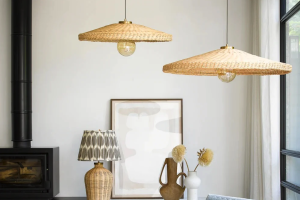
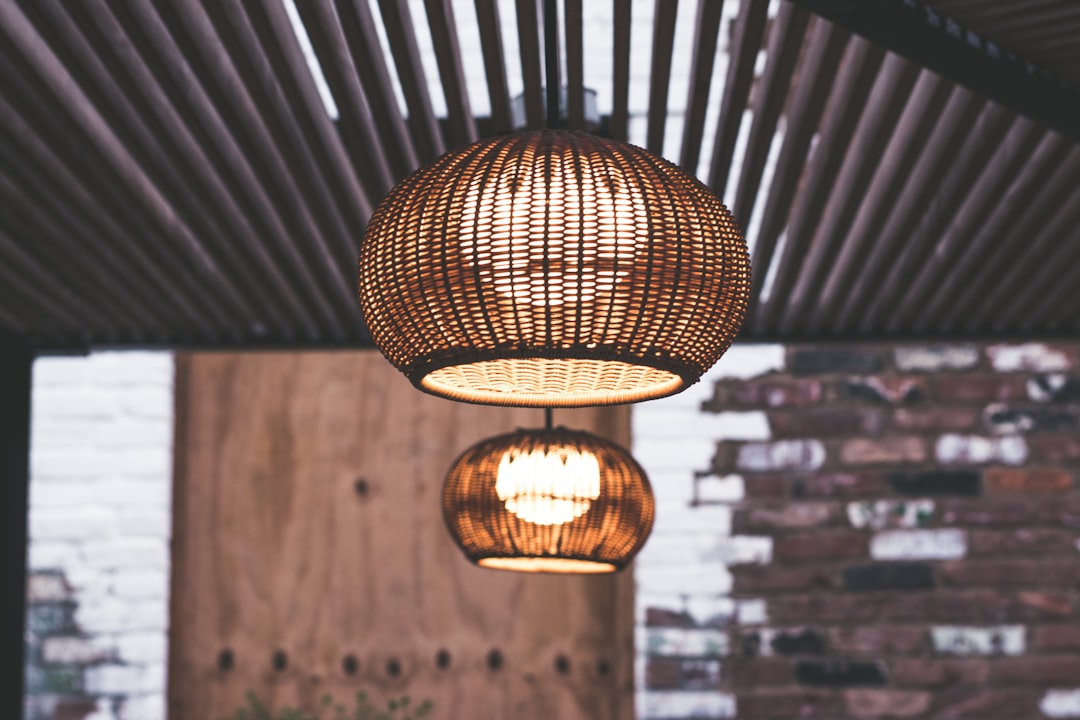
One of the biggest draws of bamboo lighting is its look. It brings an organic, earthy feel that can instantly make your porch feel more inviting and relaxed. Forget stark, industrial designs; bamboo lighting leans into a natural elegance that complements a variety of outdoor décor styles, from modern minimalist to bohemian or rustic. It’s a way to add warmth and character without being overly flashy.
Environmental Considerations
If you’re conscious about your environmental footprint, bamboo is a fantastic choice. It’s a rapidly renewable resource, meaning it grows much faster than trees and can be harvested sustainably. This makes it a greener alternative to many other building and décor materials. When you choose bamboo lighting, you’re often opting for a product with a lower environmental impact.
Durability in Humid Conditions
Here’s where we address the “damp” part. While bamboo isn’t inherently waterproof, its natural structure and some treatments can make it quite resistant to humidity and occasional dampness. The key is selecting the right kind of bamboo product and understanding its limitations. For a porch that gets a lot of rain directly, you’ll need to be more selective, but for areas with general humidity or protection from direct downpours, it can work beautifully.
Choosing the Right Bamboo Lighting
Not all bamboo is created equal, and neither are all bamboo lighting fixtures. For a damp porch, you’ll want to pay close attention to the type of bamboo, its treatment, and the overall construction of the fixture. This is where the practical aspect really kicks in.
Types of Bamboo and Their Suitability
When you see bamboo products, they’re often made from specific species chosen for their strength and flexibility.
Moso Bamboo
This is one of the most common types of bamboo used commercially, known for its large diameter and robust structure. Moso bamboo has a good natural resistance to moisture and pests, making it a solid foundation for outdoor lighting.
Guadua Bamboo
Often called the “bamboo of the Andes,” Guadua is known for its exceptional strength and durability, making it a prime candidate for structural applications, and by extension, robust lighting fixtures. Its thick walls and large diameter provide good protection.
Other Smaller Diameter Bambus
While less common for primary structural components of larger fixtures, smaller diameter bamboos might be used for decorative elements or smaller lamps. Their natural oils can offer some initial protection, but they might require more treatment for long-term outdoor exposure.
Treatments for Outdoor Use
Raw bamboo won’t last long on a damp porch. Manufacturers often treat bamboo to enhance its durability and resistance to the elements.
Drying and Curing Processes
Properly dried and cured bamboo is less susceptible to cracking and insect infestation. Kiln-drying, for example, removes moisture uniformly and can help stabilize the material. This is a foundational step for any outdoor bamboo product.
Natural Preservatives and Finishes
Many outdoor bamboo products are treated with natural oils, waxes, or eco-friendly sealants. These finishes act as a barrier against moisture, preventing rot and mold. Look for products that specify outdoor use and mention these protective treatments. Avoid anything that looks like it’s just been varnished thinly; a good quality sealant penetrates and protects.
Carbonization
This process involves heating bamboo at high temperatures. It changes the cellular structure, making it more stable, durable, and resistant to moisture and decay. Carbonized bamboo often has a richer, darker color as well.
Fixture Construction and Design
Beyond the material itself, how the light fixture is designed and built is crucial for its longevity on a damp porch.
Enclosed vs. Open Designs
For a damp environment, fixtures with more enclosed designs or those that offer some degree of protection for the bulb and wiring are generally better. Think about designs where water is less likely to pool directly on electrical components.
Material Pairings
Often, bamboo lighting fixtures will incorporate other materials like metal (often powder-coated for rust resistance) or glass. The quality of these accompanying materials and how they are integrated with the bamboo is important. Are the metal parts rust-proof? Is the glass thick and durable?
Wiring and Electrical Components
This is non-negotiable. Any outdoor lighting, bamboo or not, needs to have properly rated wiring and electrical components suitable for exterior use. Look for fixtures that are specifically designed and certified for outdoor applications (e.g., UL listed for wet locations).
Installation and Placement on Your Porch
Where you put your bamboo lights and how you install them can make a big difference in how well they hold up. It’s not just about screwing them in; a little forethought goes a long way.
Strategic Placement to Minimize Moisture Exposure
Think about how water behaves. Does it drip directly onto the fixture from the roof edge? Is it splashed up from the ground?
Under Eaves and Overhangs
The best place for any outdoor fixture, especially one made of natural materials, is where it gets some protection. Placing bamboo lights under eaves or deep overhangs will significantly reduce their exposure to direct rain and prolonged dampness.
Shielding from Prevailing Winds
If your porch is exposed to strong, wind-driven rain, even a covered porch can get damp. Try to position lights in areas that are somewhat shielded from the prevailing direction of these winds.
Avoiding Standing Water
Never place lighting fixtures where water is likely to collect. This means ensuring your porch floor drains properly and that fixtures aren’t installed in a way that creates a low spot for water to gather.
Securing Fixtures Properly
A loose fixture is not only a safety hazard but can also allow more moisture ingress.
Using Appropriate Hardware
Ensure you are using hardware that is rated for outdoor use and is resistant to corrosion. Stainless steel or coated screws and mounting brackets are essential.
Sealing Around Mounting Points
For wall-mounted fixtures, consider using a suitable outdoor sealant around the mounting points after installation. This creates an extra barrier to prevent water from seeping into the wall cavity or behind the fixture.
Professional Electrical Connections
While you might be tempted to DIY, for outdoor lighting, especially in damp areas, it’s often best to have a qualified electrician handle the wiring.
Ensuring Correct Weatherproofing
An electrician will know how to properly seal all connections and ensure that the fixture is grounded correctly, which is critical for safety in wet conditions.
Using Outdoor-Rated Junction Boxes and Connectors
They will use the right type of junction boxes and connectors that are designed to withstand moisture and outdoor elements, preventing corrosion and short circuits.
Maintenance for Longevity
Even with the best choices and installation, bamboo lighting will need some care to keep it looking good and functioning well on a damp porch. Think of it as a little TLC for your décor.
Regular Cleaning
Dirt, pollen, and mildew can accumulate on any outdoor surface. Regular cleaning will not only keep your lights looking nice but also prevent buildup that can hold moisture.
Gentle Washing
Use a soft cloth or sponge with mild soap and water. Avoid harsh chemicals or abrasive cleaners that could damage the bamboo’s finish or natural fibers.
Rinsing and Drying
After washing, rinse thoroughly with clean water and then dry the fixture with a soft, dry cloth. Don’t let water air dry, especially in crevices.
Inspecting for Damage and Wear
Make it a habit to look over your bamboo lights periodically, perhaps when you’re cleaning them.
Checking the Finish
Look for any signs of the protective finish wearing away, cracking, or peeling. If you notice this, it’s time to reapply a suitable outdoor sealant.
Looking for Signs of Rot or Mildew
Keep an eye out for any discoloration, soft spots, or fuzzy growth that might indicate rot or mildew. Early detection is key to addressing these issues.
Ensuring Secure Connections
Check that the fixture is still securely mounted and that any wiring connections appear intact and free from corrosion.
Reapplying Protective Sealants
This is perhaps the most crucial maintenance step for bamboo in damp environments.
Choosing the Right Sealant
Opt for an outdoor-grade sealant specifically designed for natural wood or bamboo. Look for products that offer UV protection as well, as sun exposure can also degrade the material over time.
Application Process
Follow the manufacturer’s instructions for application. Typically, this involves cleaning the bamboo thoroughly, ensuring it’s dry, and then applying one or two thin coats of the sealant. Allow adequate drying time between coats.
Frequency of Reapplication
The frequency will depend on your climate and the amount of exposure your lights get. Typically, reapplying a sealant every one to two years is a good practice. You might notice the water beading less on the surface when it’s time for a refresh.
Limitations and Alternatives
While bamboo can be a great choice, it’s important to be realistic about its performance and know when other materials might be a better fit.
When Bamboo Might Not Be Ideal
If your porch is completely exposed to the elements with no overhead protection and gets drenched by rain regularly, bamboo might not be the most low-maintenance option.
Direct, Constant Rainfall
For areas that receive direct and consistent rainfall with no cover, materials with inherent waterproofing like certain plastics, composite materials, or well-sealed metal might be more practical.
Extreme Humidity or Saltwater Exposure
While bamboo can handle humidity, extremely high and prolonged humidity, or exposure to salt spray in coastal areas, can accelerate wear and tear on even treated bamboo.
Other Good Options for Damp Porches
If after considering the maintenance and placement, you feel bamboo might be too much work or simply not the right aesthetic, there are other materials that perform exceptionally well in damp conditions.
Powder-Coated Aluminum
Aluminum is naturally rust-resistant, and when powder-coated, it offers excellent durability and a wide range of styles. It’s lightweight, strong, and very low maintenance.
Stainless Steel
A premium option, stainless steel offers exceptional corrosion resistance. It’s ideal for very harsh or coastal environments, though it can be more expensive.
Composite Materials
These engineered materials are designed to mimic the look of wood but offer superior resistance to moisture, rot, and insects. They are incredibly low maintenance.
High-Quality Plastics and Resins
Modern plastics and resins can be manufactured to be very durable and weather-resistant. Some can even mimic the look of natural materials quite effectively.
Glass and Metal Combinations
Many traditional outdoor fixtures utilize glass shades with durable metal bases (like brass, copper, or treated steel). These can be very effective at protecting the bulb and providing a classic look.
By understanding the nuances of bamboo, making informed choices about the fixtures, and committing to a little bit of care, you can absolutely bring the natural beauty of bamboo lighting to your damp porch and enjoy it for years to come. It’s about finding the right balance between aesthetics and practicality for your specific outdoor space.