Terrazzo Base LED Table Lamps: Architectural Illumination
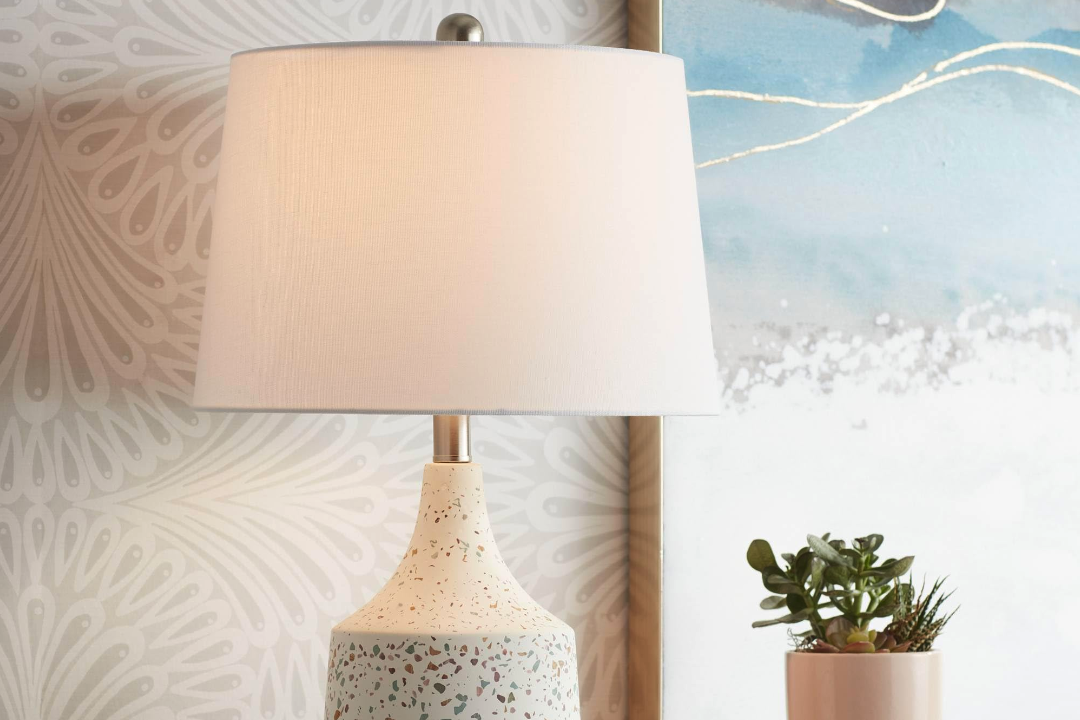
Terrazzo base LED table lamps offer a really interesting blend of timeless style and modern efficiency. Simply put, they combine the classic, speckled look of terrazzo with the practical, energy-saving benefits of LED lighting. This means you get a lamp that’s not only a stylish statement piece but also functions beautifully and efficiently, making it a great choice for various interior designs.
Terrazzo is an ancient material, but it’s having a huge moment in contemporary design. Knowing a bit about what it is helps explain why it works so well for lamp Aralle bases.
What is Terrazzo, Anyway?
Essentially, terrazzo is a composite material, traditionally made by exposing marble, quartz, granite, or glass chips on the surface of concrete or epoxy. The chips are mixed into a binder, poured, cured, ground, and then polished smooth. Think of it like a really refined, elegant type of concrete with flecks of beautiful stone or glass embedded in it.
The History of Terrazzo in a Nutshell
It originated in 16th-century Italy, specifically in Venice, as a way to reuse marble scraps. Workers would salvage leftover pieces from construction sites and embed them into clay before grinding them down. It was a resourceful and beautiful solution that has truly stood the test of time. Over the centuries, techniques evolved, and it became a popular flooring material, especially in the Art Deco period, and now it’s back in a big way for everything from countertops to furniture.
Why It Works for Lamp Bases
The inherent qualities of terrazzo make it ideal for a lamp base. It’s solid and heavy, which means your lamp won’t easily tip over. The material itself is incredibly durable and resistant to wear and tear. Plus, no two pieces of terrazzo are exactly alike; the random distribution of chips ensures each base has its own unique pattern and character, adding a bespoke feel to your lighting.
The Modern Advantage: LED Technology
Pairing terrazzo with LED technology isn’t just about aesthetics; it’s about making a smart, functional choice for your home or office.
What Makes LEDs So Great?
LED stands for Light Emitting Diode. Without getting too technical, these are semiconductor devices that produce light when an electric current passes through them. Unlike old incandescent bulbs that generate light by heating a filament, LEDs convert electricity directly into light, making them incredibly efficient.
Efficiency and Longevity: Real-World Benefits
This direct conversion means LEDs use significantly less energy – often 75% to 80% less – than traditional bulbs to produce the same amount of light. This translates directly to lower electricity bills, which is a win for your wallet and the environment. Beyond energy savings, LEDs last an incredibly long time. We’re talking tens of thousands of hours, sometimes over 50,000 hours, compared to maybe 1,000-2,000 hours for an incandescent. This means far fewer bulb changes, which is a convenience you’ll definitely appreciate.
Light Quality and Control
Modern LEDs aren’t just efficient; they also offer excellent light quality. You can find them in a wide range of color temperatures, from warm, inviting yellows (2700K-3000K) to cool, crisp whites (4000K-5000K) that mimic daylight. Many LED lamps also come with dimming capabilities, allowing you to easily adjust the brightness to suit your mood or task, adding another layer of versatility.
Design Harmony: Mismatching Made Perfect
The combination of terrazzo and LED isn’t an accident; it’s a thoughtful design choice that leverages the strengths of both materials.
Architectural Appeal of Terrazzo
Terrazzo inherently has an architectural quality. Its composition, often with geometric patterns formed by the chips, lends itself to structured, minimalist, and even brutalist aesthetics. A terrazzo base lamp feels substantial and grounded, adding a sense of permanence and artistry to a space. It’s not just a lamp; it’s a small piece of curated architecture for your surface.
The Sleekness of Modern LED Integration
LEDs are small and compact, which allows for very sleek and minimal lamp designs. Unlike bulky traditional sockets, LED components can be integrated seamlessly, often leading to slimmer profiles and cleaner lines. This modern, understated technology perfectly balances the earthy, textured nature of the terrazzo base. It creates a beautiful contrast: the organic, speckled base with the refined, precise light source.
Versatility in Styling
Because of this blend, terrazzo base LED lamps are surprisingly versatile. They can feel perfectly at home in a contemporary minimalist setting, adding texture without overwhelming. They can also provide a modern touch to more traditional or eclectic decor, acting as a grounding element. Their understated elegance means they don’t try too hard to fit in; they simply belong.
Where Do These Lamps Fit? Practical Placement Ideas
One of the great things about these lamps is their adaptability. They aren’t just for one type of room or one type of aesthetic.
Living Room Ambiance
In a living room, a terrazzo base lamp can serve as excellent accent lighting. Placed on an end table next to a sofa or armchair, it can provide task lighting for reading or simply add a warm glow to the room. Its substantial base ensures it looks good even when not illuminated, acting as a decorative object. Consider a pair on matching side tables for a cohesive look.
Bedroom Bedside Companions
For bedrooms, these lamps are fantastic as bedside table lights. The diffuse, often dimmable LED light is perfect for winding down in the evening without being too harsh. The sturdy base means no accidental knock-overs during a sleepy reach for your phone or water glass. Plus, the unique pattern of the terrazzo adds a touch of personality to your private retreat.
Office and Workspace Enhancements
In a home office or creative workspace, a terrazzo base LED lamp offers focused and efficient lighting for tasks. The crisp, clean light from LEDs is ideal for reducing eye strain during long working hours. The lamp’s sturdy nature means it won’t clutter your desk, and its sophisticated appearance can elevate your workspace without being distracting. It tells clients, “I care about good design, even in the details.”
Entryway and Console Statements
Don’t overlook entryways or console tables. A well-placed terrazzo lamp can make a strong first impression. It can illuminate a piece of art, highlight a decorative bowl, or simply provide a welcoming light when you enter your home. The unique base detail often sparks conversation and adds visual interest to an otherwise functional space.
Considering Your Purchase: What to Look For
When you’re ready to bring one of these lamps into your space, a few practical considerations will help you make the best choice.
Material Quality and Craftsmanship
While all terrazzo is a composite, the quality can vary. Look for bases that feel solid and have a smooth, well-polished finish. Avoid anything that looks crumbly or has obvious imperfections that aren’t part of the material’s natural variation. If possible, inspect the join where the lamp stem meets the base; it should be clean and secure. Quality craftsmanship ensures durability and aesthetics.
LED Features: Dimmability, Color Temperature, and Lumens
- Dimmability: This is a big one for versatility. Many LED lamps now offer integrated dimming, allowing you to change the mood of your space effortlessly.
- Color Temperature (CCT): This is measured in Kelvins (K). Lower numbers (e.g., 2700K-3000K) mean warmer, more yellow light, great for ambiance. Higher numbers (e.g., 4000K-5000K) mean cooler, bluer light, often preferred for task lighting. Choose what suits your needs and existing decor. Often, lamps will specify a fixed CCT, or some advanced models might allow you to adjust it.
- Lumens: This measures the total amount of visible light produced. Think of it as brightness. While wattage used to be the indicator for incandescent bulbs, lumens are the correct measure for LEDs. A typical bedside lamp might need 300-500 lumens, while a more prominent accent lamp might be 500-800 lumens.
Size and Proportion
Consider where the lamp will sit and what else is around it. A large, chunky terrazzo base might overwhelm a small side table. Conversely, a tiny lamp might look lost on a grand console. Measure your surface and consider the visual weight of the base and the overall height of the lamp when making your decision. Proportion is key to a balanced look.
Cord Management and Switches
- Cord Management: Some lamps feature clever cord channels or fabric-wrapped cords that look much nicer than plain plastic. This detail can make a big difference in a clean aesthetic.
- Switch Type: Consider the switch. Is it an in-line switch on the cord, a touch-sensitive base, a rotary dimmer, or a push-button? Choose what’s most convenient for your intended use and placement.
Price vs. Value
Terrazzo base LED lamps can range significantly in price. This often reflects the quality of the terrazzo, the design complexity, the brand, and the sophistication of the integrated LED technology. While it’s always tempting to go for the cheapest option, remember that these lamps are both functional lighting and a design statement. Investing in a well-made piece will likely give you better performance and aesthetic longevity. Don’t just look at the price tag; consider the overall value it adds to your space.
In essence, a terrazzo base LED table lamp isn’t just about illuminating a space. It’s about bringing a piece of design history into your current aesthetic, marrying robust, unique material with cutting-edge, efficient lighting. It’s a choice that speaks to an appreciation for both form and function, a subtle architectural element that brightens your home in more ways than one.