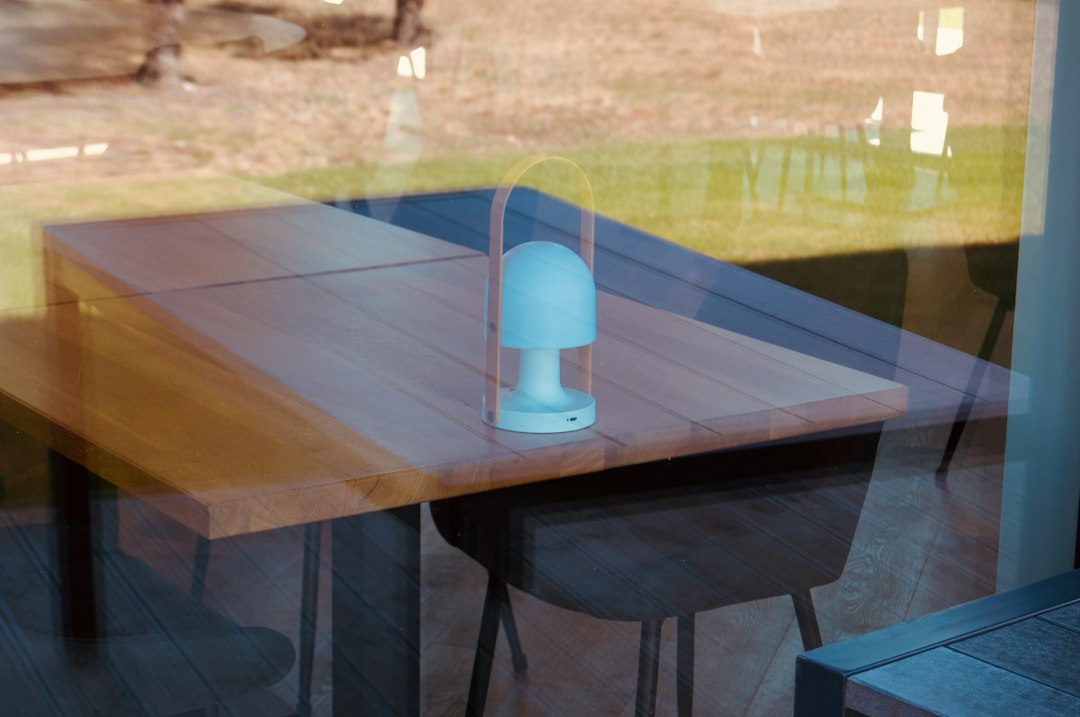
Eco-Friendly Energy Efficient Table Lamp with Recycled Plastic Finish
An eco-friendly, energy-efficient table lamp with a recycled plastic finish is essentially a lighting fixture designed to minimize its environmental impact throughout its lifecycle. This means it uses materials that have been diverted from landfills (recycled plastic), consumes less electricity to produce light (energy-efficient), and is often designed with durability and recyclability in mind. It’s a practical choice for anyone looking to reduce their carbon footprint without sacrificing functionality or style in their home or office.
Why Choose Recycled Plastic for Lighting?
When we talk about recycled plastic, we’re not just discussing a single material. It’s a broad category that includes everything from post-consumer waste like PET bottles and HDPE milk jugs to industrial scraps. The beauty of using these materials in a table lamp lies in several key areas, impacting both the environment and the final product’s characteristics.
Reducing Landfill Waste
The most immediate benefit is the diversion of plastic waste from landfills. Billions of tons of plastic are produced globally each year, and a significant portion ends up in landfills or, worse, polluting our natural environments. By choosing recycled plastic as a primary material for a lamp, manufacturers are actively creating a demand for this waste, giving it a second life. This not only cleans up existing pollution but also reduces the need for new virgin plastic production.
Lowering Carbon Footprint
Producing new plastic from crude oil is an energy-intensive process, involving extraction, refining, and polymerization. Recycling plastic, while still requiring energy, generally uses significantly less. The energy saved can vary depending on the type of plastic and the recycling process, but it’s consistently lower than creating virgin material. This reduction in energy consumption directly translates to a lower carbon footprint for the lamp’s manufacturing process, contributing to the fight against climate change.
Durability and Design Flexibility
Recycled plastics are surprisingly versatile. Depending on the type of plastic and how it’s processed, it can be molded into a vast array of shapes, textures, and colors. This allows for innovative and aesthetically pleasing lamp designs that might be more challenging or expensive to achieve with traditional materials like metal or ceramic. Furthermore, many recycled plastics retain excellent durability, resistance to impacts, and longevity, making them suitable for long-lasting household items. They can also be quite lightweight, which can simplify shipping and handling.
Supporting a Circular Economy
Choosing products made from recycled materials is a direct way to support the circular economy model. Instead of the traditional linear “take-make-dispose” approach, a circular economy aims to keep resources in use for as long as possible, extract the maximum value from them whilst in use, then recover and regenerate products and materials at the end of each service life. A recycled plastic lamp embodies this principle, demonstrating that waste can be transformed into valuable, functional items, encouraging further innovation in sustainable manufacturing.
The Power of Energy-Efficient Lighting
Beyond the material, the “energy-efficient” aspect of these lamps is equally crucial for their eco-friendly credentials. This primarily refers to the type of light source used and the overall design that optimizes light output with minimal power consumption.
LED Technology at the Forefront
Light Emitting Diodes (LEDs) are the undisputed champions of energy-efficient lighting today. Compared to incandescent bulbs, LEDs use up to 90% less energy to produce the same amount of light. Even in comparison to compact fluorescent lamps (CFLs), LEDs are typically more efficient and offer several other advantages. This drastic reduction in energy consumption means lower electricity bills for the user and a significant decrease in the demand for electricity generation, which often relies on fossil fuels.
Longevity and Reduced Waste
Another key benefit of LEDs is their incredibly long lifespan. While a traditional incandescent bulb might last 1,000 hours, an LED bulb can easily last 25,000 to 50,000 hours or even more. This means fewer bulb replacements, which translates to less waste going into landfills. The reduced frequency of manufacturing new bulbs also saves resources and energy associated with production and transportation. For an eco-conscious consumer, this long-term durability is a significant advantage.
Minimal Heat Emission
Traditional incandescent bulbs generate a lot of heat as a byproduct of light production – often more heat than light. This wasted energy not only makes the bulb hot to the touch but also contributes to indoor heat gain, potentially increasing the demand on air conditioning systems in warmer climates. LEDs, on the other hand, produce very little heat. This makes them safer to touch, reduces the risk of fire, and can indirectly contribute to energy savings by not adding unnecessary heat to your living space.
Superior Light Quality and Control
Modern LED technology offers a wide range of light quality options, including various color temperatures (from warm yellow to cool white) and high color rendering index (CRI) values, meaning they accurately represent colors. Many energy-efficient table lamps also incorporate features like dimmability and adjustable brightness settings. This allows users to customize the light output to their specific needs, further optimizing energy use by only providing as much light as required for a task or mood.
Key Features to Look For in an Eco-Friendly Lamp
When you’re shopping for an eco-friendly, energy-efficient table lamp, it’s helpful to know what specific features indicate a truly sustainable product. It’s more than just the material; it’s about the entire design philosophy.
Material Transparency and Certification
A reputable manufacturer will be transparent about the type of recycled plastic used (e.g., post-consumer PET, ABS from electronics) and often the percentage of recycled content. Look for certifications that validate these claims, such as UL Environment, Global Recycled Standard (GRS), or Cradle to Cradle. These certifications provide independent verification that the materials and manufacturing processes meet specific environmental and social criteria.
Energy Star Rating
For the energy efficiency aspect, the Energy Star label is a reliable indicator. This label signifies that the product meets strict energy efficiency guidelines set by the U.S. Environmental Protection Agency (EPA) and Department of Energy. An Energy Star certified lamp will guarantee that its LED components and overall electrical design are optimized for minimal power consumption.
Modularity and Repairability
A truly eco-friendly product is one that can be easily repaired rather than replaced. Look for lamps with a modular design, where components like the LED light source, power supply, or even the plastic housing can be disassembled and replaced if needed. This extends the product’s lifespan and reduces waste. Some brands even offer replacement parts, which is a strong indicator of their commitment to sustainability.
End-of-Life Considerations
While the lamp is made from recycled materials, what happens when it eventually reaches the end of its life? A well-designed eco-friendly lamp will consider this. Look for products that are designed for easy disassembly and recyclability of their components. Manufacturers might even offer take-back programs or clear instructions on how to properly recycle the lamp’s various parts. Avoiding glues and using mechanical fasteners can make disassembly much easier.
Packaging and Shipping Practices
The lamp itself might be green, but what about how it gets to you? Sustainable packaging is another important factor. Look for minimal packaging made from recycled and recyclable materials (like recycled cardboard without excessive plastic inserts). Local manufacturing can also reduce the carbon footprint associated with shipping. Some brands might highlight their efforts to reduce shipping emissions or use carbon-neutral shipping methods.
Practical Benefits for Your Home and Wallet
Beyond the environmental good, investing in an eco-friendly, energy-efficient table lamp brings tangible benefits directly to you, the consumer. These advantages often make it a smart financial and lifestyle choice.
Reduced Electricity Bills
This is perhaps the most immediate and noticeable benefit. By consuming significantly less electricity than traditional lamps, your monthly energy bill will see a positive impact. While a single lamp might not drastically change your entire bill, when you consider multiple lamps and other energy-efficient appliances, the savings can add up substantially over time. This is especially true with rising energy costs.
Long-Term Cost Savings
The initial purchase price of an eco-friendly LED lamp might sometimes be slightly higher than a conventional one. However, this upfront cost is quickly offset by the energy savings and the extended lifespan of the LED bulb. You’ll spend less on replacement bulbs and less on electricity, leading to significant long-term savings. Think of it as an investment that pays for itself over its operational life.
Enhanced Home Aesthetics and Comfort
Modern eco-friendly lamps are far from utilitarian. Designers are increasingly embracing recycled plastics and LED technology to create stylish, contemporary, and even artistic lighting fixtures. You can find lamps that complement various interior design styles, from minimalist to industrial to bohemian. The ability to choose color temperature and dimming options also allows you to create the perfect ambiance for any activity, enhancing the comfort and functionality of your living space.
Durability and Reliability
Recycled plastics, when properly processed, can be incredibly robust and durable. This means your lamp is likely to withstand everyday bumps and knocks better than lamps made from more fragile materials. Coupled with the long lifespan of LED components, you get a reliable lighting solution that requires minimal maintenance and offers consistent performance for many years. You won’t have to worry about frequent bulb changes or the lamp breaking easily.
A Healthier Indoor Environment
Some traditional lighting sources, like older fluorescent bulbs, can contain mercury, a toxic substance. LEDs, on the other hand, are mercury-free. Furthermore, the low heat emission from LEDs contributes to a cooler indoor environment, which can be particularly beneficial in smaller spaces or during warmer months. Choosing non-toxic materials for the lamp body also contributes to better indoor air quality, avoiding off-gassing of volatile organic compounds (VOCs) that can sometimes be present in certain new plastics or finishes.
Making the Switch: Considerations and Tips
Ready to bring an eco-friendly, energy-efficient table lamp into your home? Here are a few final pointers to help you make an informed decision and get the most out of your sustainable lighting choice.
Assess Your Lighting Needs
Before you buy, think about where the lamp will be placed and its primary function. Do you need bright task lighting for reading or working? Or softer ambient lighting for a bedside table or living room corner? This will influence the brightness (lumens), color temperature, and design you choose. Some lamps offer adjustable features, which can be a great all-in-one solution.
Research Brands and Manufacturers
Not all eco-friendly claims are equal. Take a moment to research the brands you’re considering. Look at their website for information on their sustainability practices, material sourcing, and commitment to environmental responsibility. Brands that are transparent about their supply chain and offer details about their recycled materials are often more trustworthy. Read reviews from other customers to gauge product quality and customer service.
Consider the Lamp’s Lifecycle
Think about the lamp beyond its immediate use. Does the manufacturer offer a warranty? What are their suggestions for disposal or recycling at the end of the product’s life? A company that considers the entire lifecycle of its product demonstrates a deeper commitment to sustainability.
Don’t Forget Style and Aesthetics
Being eco-friendly doesn’t mean compromising on style. There’s a wide array of beautiful and innovative designs available in the sustainable lighting market. Choose a lamp that not only meets your functional needs but also complements your existing decor and personal aesthetic. The goal is to find a piece you’ll love and keep for a long time.
Start Small, Make a Difference
If you’re new to eco-conscious purchasing, starting with a single item like a table lamp is a great way to make a tangible difference. Every sustainable choice, no matter how small, contributes to a larger positive impact on the environment. Plus, experiencing the benefits firsthand, like lower energy bills and a durable, stylish product, might encourage you to make more sustainable choices in other areas of your home.