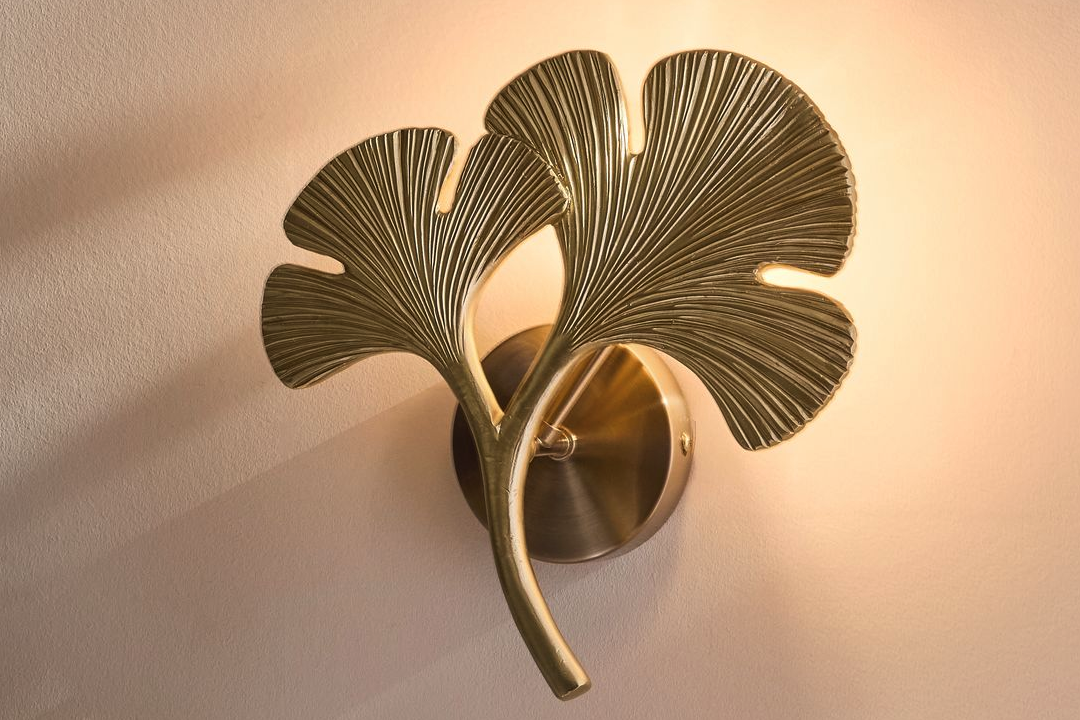
Unique Brass Ginkgo Leaf Wall Lamp
Chances are, you’re here because you’re looking for a wall lamp that’s a bit out of the ordinary, something beyond the typical sconce. And specifically, you’re curious about a brass ginkgo leaf design. This isn’t just about illuminating a space; it’s about adding a piece of art that also happens to emit light. These lamps offer a blend of natural elegance and metallic durability, making them a unique option for various interior styles. Let’s dig into what makes them stand out and what to consider if you’re thinking of bringing one home.
The ginkgo biloba tree is a survivor, a “living fossil” with leaves that have a distinctive, fan-like shape. This natural form translates beautifully into decorative elements, especially in lighting Mssloan.
Why Ginkgo? A Touch of Nature and History
Beyond its aesthetic appeal, the ginkgo leaf carries a certain gravitas. It’s a symbol of longevity, resilience, and hope in many cultures. Incorporating this motif into your home isn’t just about decoration; it’s about bringing in a piece of natural history and subtle symbolism. Unlike many other botanical designs, the ginkgo’s clean, almost geometric lines lend themselves well to a modern yet organic feel. It’s a sophisticated nod to nature without being overly rustic or overtly floral.
The Material Choice: Brass
Brass holds its own distinct appeal. It’s an alloy with a warm, inviting luster that can range from bright and polished to a more subdued, aged patina.
Durability and Longevity
Brass is known for its robustness. It’s a relatively heavy-duty material that resists corrosion, making it a good choice for lighting fixtures that you expect to last. Unlike plated finishes that can chip or flake over time, solid brass retains its character. With proper care, a brass lamp can literally be a heirloom.
Aesthetic Versatility
The golden tones of brass are surprisingly versatile. They can complement both warm and cool color palettes. In a minimalist setting, a brass ginkgo lamp can act as a striking focal point. In a richer, more traditional space, it can blend seamlessly while adding a touch of understated luxury. It offers a subtle reflectivity without being overly flashy, creating a soft glow even when the light isn’t on.
Practical Considerations for Installation
Before you get carried away with the beauty, it’s wise to think about the practical aspects of adding a wall lamp, especially one with a unique design.
Placement and Its Impact
Where you install a wall lamp significantly affects both its function and its visual presence.
Task vs. Ambient Lighting
Are you looking for a lamp to provide direct light for reading or a specific task, or more for general ambiance? A ginkgo leaf lamp is often more suited for ambient or accent lighting due to the nature of its design – the leaves can sometimes partially obscure direct light. If you need task lighting, consider its positioning and the type of bulb carefully to maximize downward light or light spread.
Wall Material and Support
Wall lamps require proper mounting. Ensure your wall can support the weight of the lamp. For plaster or drywall, this often means locating a stud or using appropriate wall anchors. If you’re dealing with brick or concrete, specialized drilling and anchors will be necessary. It’s always a good idea to know what’s behind your wall before you start drilling.
Electrical Requirements
This is where planning truly comes into play.
Hardwired vs. Plug-in
Most wall lamps are designed to be hardwired directly into your home’s electrical system, usually controlled by a wall switch. This provides a clean, integrated look with no visible cords. However, it requires an existing electrical junction box in the wall, or the installation of one, which often means hiring an electrician.
Plug-in options exist for wall lamps, offering more flexibility if you don’t have an existing electrical box. These typically have a cord that plugs into a standard wall outlet. While easier to install yourself, the visible cord might detract from the aesthetic, though some designs cleverly integrate the cord into the overall look or include cord covers.
Dimmer Compatibility
Consider if you want the ability to adjust the light intensity. If so, ensure the lamp and the bulb you choose are compatible with dimmer switches. This adds another layer of control over the mood and functionality of your lighting.
Lighting Nuances and Bulb Choices
The type of bulb you choose for your ginkgo leaf wall lamp will dramatically influence the quality of light and the overall aesthetic.
Understanding Bulb Types
Beyond just brightness, bulbs have different characteristics.
LED for Efficiency and Longevity
LED bulbs are generally the most energy-efficient and long-lasting option. They come in a wide range of color temperatures, from very warm (yellowish) to very cool (bluish-white). Their small size also allows for more creative lamp designs. However, ensure the LED bulb you select is dimmable if that’s a feature you want.
Incandescent for Warmth (Less Common Now)
While increasingly phased out due to inefficiency, incandescent bulbs excel at producing a warm, comforting glow, especially at lower wattages. They are generally not as durable as LEDs and consume more energy. You might still find specialty incandescent bulbs for decorative purposes, but they are less practical for everyday use.
Edison-style for Vintage Charm
These are often LED or sometimes incandescent bulbs designed to mimic the appearance of early Edison bulbs, with visible filaments. They typically emit a warm, decorative light that can complement the brass ginkgo design, enhancing a vintage-inspired or industrial aesthetic. However, their light output might be lower, making them more suitable for ambient effect rather than primary illumination.
Color Temperature: From Cozy to Crisp
Color temperature, measured in Kelvin (K), describes how warm or cool the light appears.
Warm White (2700K-3000K)
This range produces a soft, yellowish light similar to traditional incandescent bulbs. It’s often preferred for living rooms, bedrooms, and dining areas where a relaxing and inviting atmosphere is desired. It pairs beautifully with the warm tones of brass.
Neutral White (3500K-4000K)
This light is closer to natural daylight, appearing less yellow than warm white but not overtly blue. It’s a good choice for spaces where you need clearer visibility without harshness, such as kitchens or home offices, or for art display.
Cool White/Daylight (5000K-6500K)
This range produces a bright, bluish-white light that mimics overcast daylight. While it provides excellent visibility, it can feel too stark or clinical for some residential settings, though it is sometimes used in contemporary, minimalist designs to create a crisp aesthetic.
Brightness (Lumens)
Don’t confuse wattage with brightness. Lumens are the actual measure of light output. For accent or ambient lighting, you’ll likely need fewer lumens than for task lighting. Consider the size of the room and the other light sources present when determining the appropriate lumen output for your ginkgo lamp.
Aesthetic Integration and Styling Tips
A brass ginkgo leaf wall lamp isn’t just a light source; it’s a decorative element that can elevate your interior design.
Complementing Your Existing Decor
Think about how the lamp will interact with the other elements in your room.
Modern and Minimalist Spaces
In a modern home, a brass ginkgo lamp can serve as a striking sculptural element. Its natural inspiration adds softness to clean lines. Pair it with neutral colors and simple furnishings to let its unique shape and material shine. The contrast of the organic leaf shape against sharp, modern architecture can be particularly effective.
Traditional and Eclectic Interiors
For more traditional or eclectic spaces, the ginkgo’s classic appeal, combined with the timelessness of brass, allows it to blend seamlessly. It can tie together different styles or introduce a subtle botanical theme without overwhelming the space. Consider placing it alongside antique furniture or artwork to create a curated, layered look.
Biophilic Design Principles
If you’re leaning into biophilic design (integrating nature into your built environment), a ginkgo leaf lamp is a natural fit. It brings an organic form indoors, promoting a sense of well-being and connection to nature. Combine it with other natural materials like wood, stone, or live plants to enhance this effect.
Where to Install for Maximum Impact
Strategic placement can transform the lamp from a mere fixture into a focal point.
Entryways and Hallways
A pair of ginkgo leaf lamps flanking a mirror or artwork in an entryway can create a grand and welcoming first impression. In a hallway, they can provide ambient light and visual interest, guiding the eye along the space. The unique design also serves as a conversational piece for guests.
Living Room Feature
In a living room, consider placing a ginkgo lamp above a console table, alongside a sofa, or even above an open shelving unit. It can highlight a specific area, such as a reading nook, or provide a soft, warm glow for evening relaxation. It becomes a piece of art even when unlit.
Bedroom Ambiance
For bedrooms, ginkgo wall lamps can work beautifully as alternatives to traditional bedside table lamps, freeing up surface space. When properly dimmable, they offer soft illumination perfect for winding down. Their natural, calming design can contribute to a peaceful sleeping environment.
Bathroom Elegance
While less common, in a larger bathroom or powder room, a ginkgo wall lamp can add a touch of unexpected luxury and sophistication, especially when paired with a simple vanity. Ensure the lamp is rated for bathroom use (e.g., damp-rated) if it’s going to be near moisture.
Maintenance and Care for Brass
To keep your brass ginkgo leaf wall lamp looking its best, a little care goes a long way.
Cleaning and Polishing
Brass can develop a patina over time, which some people prefer for its aged, antique look. If you like this natural darkening, minimal cleaning is needed.
Regular Dusting
The simplest step is regular dusting with a soft, dry cloth to prevent buildup. This also prevents dust from interfering with light output.
Gentle Cleaning for Shine
If you prefer a brighter, shinier brass, use a mild brass cleaner or a mixture of lemon juice and baking soda applied with a soft cloth. Always test on an inconspicuous area first. Avoid abrasive cleaners or harsh chemicals, which can damage the finish. After cleaning, rinse any residue with a damp cloth and dry thoroughly to prevent water spots.
Avoiding Damage
A few precautions can help preserve your lamp’s appearance and functionality.
Chemical Exposure
Keep your brass lamp away from direct contact with harsh cleaning chemicals, particularly those containing ammonia or bleach, as these can stain or corrode the brass. Even some air fresheners or hairsprays can be damaging if they regularly land on the surface.
Humidity and Moisture
While brass is corrosion-resistant, excessive humidity or direct moisture can accelerate tarnishing. If the lamp is in a high-humidity area, like a larger bathroom, ensure good ventilation. This is particularly important for areas near salt water, which can also cause accelerated corrosion.
By considering these points, you can make an informed decision about whether a unique brass ginkgo leaf wall lamp is the right fit for your home, and ensure it continues to be a beautiful and functional addition for years to come.